How Often Should You Replace Your Pillow? (The Fold Test)
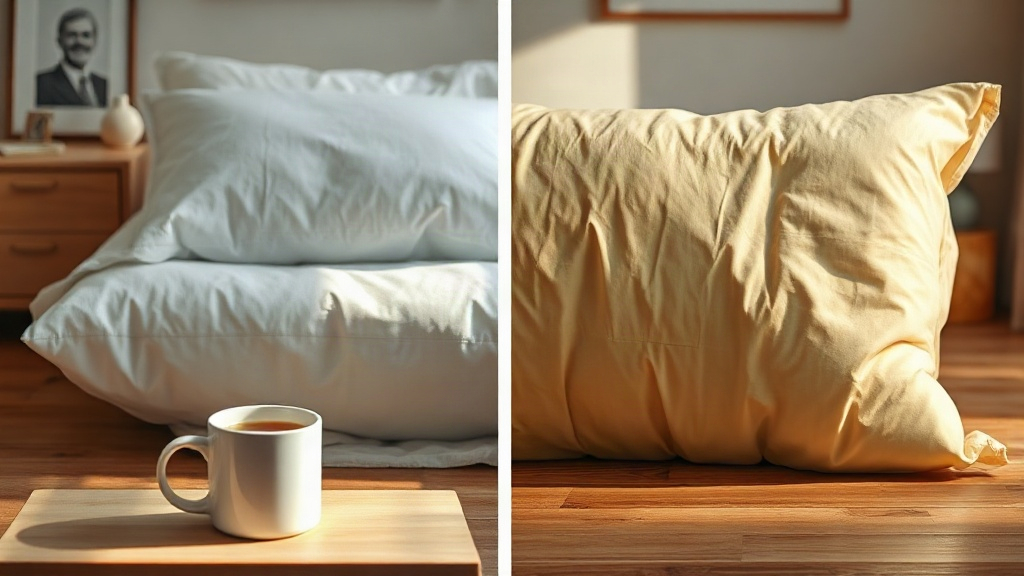
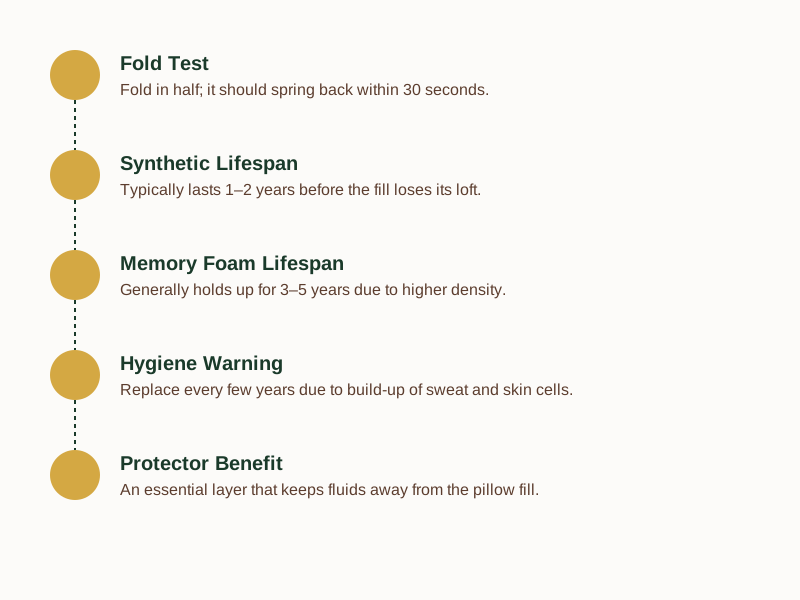
Fold your pillow in half, release it, and observe whether it springs back fully or stays folded. If it doesn’t return to its original shape within thirty seconds, the fill has compacted and it’s time for a replacement.
The hygiene aspect is just as important. Your pillow sits inches from your nose and mouth, collecting sweat, skin cells, and oils that work their way through the pillowcase. Experts suggest considering replacement from a hygiene standpoint after a few years of use, regardless of appearance. Yellowing is the visual signal; staleness is the sensory one.
While many UK sleepers follow a general guideline of replacing pillows every couple of years, the actual lifespan depends heavily on the material. Synthetic pillows typically last one to two years before the fill loses its loft, according to bedding care guides. Memory foam pillows, made from higher-density foam, often maintain their structure for longer.
A pillow that looks fine can still be compromising your sleep. Once the fill collapses, you’re left with a surface that pushes your neck out of alignment. Morning stiffness and headaches can result, though many people mistakenly blame the mattress.
Performing the Fold Test
Fold the pillow in half, hold it for five seconds, then release. Watch what happens. A supportive pillow will return to its original shape within half a minute. If it stays folded, the fill has compacted and won’t provide proper neck support.
The test works across pillow types, though failure looks different. A worn synthetic pillow typically stays flat—the fill has lost its spring. A failing memory foam pillow may stay folded but feel unusually dense rather than offering proper support.
The one-to-two-year window for synthetic fill is a common benchmark in practice. Memory foam represents a trade-off: higher initial cost but slower degradation. The hygiene consideration with memory foam is that because it holds its shape well, owners might assume it’s fine long after the fill has absorbed years of bodily secretions. The fold test provides the real evidence.
To assess your entire sleep setup, Get the Free Sleep Better Checklist to evaluate your mattress, pillow, duvet, and bedroom environment together.
Comparing Pillow Materials
Synthetic pillows are affordable, widely available, and easy to wash. The trade-off is that the fill degrades relatively quickly. A common recommendation is replacement every one to two years, meaning you’re buying more often but spending less per pillow.
Memory foam costs more initially, but the high-density foam resists compression effectively. This slower degradation could make memory foam more economical over time despite the higher upfront cost.
The practical difference comes down to this: synthetic pillows win on replaceability and maintenance simplicity. Memory foam wins on posture support and longevity—but only if replaced when it stops performing, not when it looks worn. You can’t revive compacted memory foam by washing it. Keeping it past its useful life just because it still holds its shape visually means sleeping on accumulated hygiene buildup.
A pillow protector is a worthwhile investment—an inexpensive layer that keeps sweat and oils away from the fill. Many owners who start using one wish they’d done so sooner.
Maintenance and Replacement Signals
Washing a synthetic pillow can refresh it and eliminate odours, but it won’t restore lost structural support. If the fill has compacted and the pillow fails the fold test, washing only addresses surface cleanliness, not support.
A pillow protector significantly extends a pillow’s life by preventing bodily fluids from reaching the fill—the primary cause of yellowing and material breakdown. Protectors are inexpensive, machine-washable, and much easier to replace than a full pillow.
If you’re waking up hot, your pillow might be trapping heat. Memory foam retains warmth more than many synthetic fills, which can exacerbate overheating for some sleepers. Check your pillow’s heat retention before assuming your duvet is the problem.
The practical approach is straightforward: don’t replace your pillow based solely on age. Check whether it still springs back. Use the fold test—fold it in half and release. If it doesn’t return to shape within thirty seconds, it’s no longer providing proper support.
Synthetic pillows typically last one to two years; memory foam often lasts several years. These are general guidelines, but your pillow’s performance tells you more than any calendar. The fold test gives you an immediate answer.
Once you’ve confirmed your pillow needs replacing and want guidance on maintaining the new one, our Bedding Care: Washing, Drying & Replacement Guide provides detailed advice on washing frequency and care routines.
Pillow Lifespan Reference
| Material | Typical Lifespan | Key Characteristic |
|---|---|---|
| Synthetic | 1–2 years | Affordable, easy to wash, degrades faster |
| Memory Foam | Several years | Higher density, resists compression, retains heat |
| Pillow Protector | Extends lifespan | Prevents sweat and oils from reaching the fill |
| Fold Test | Immediate check | Fold in half; should spring back within 30 seconds |
| Hygiene | After a few years | Consider replacement due to sweat and skin cells |
Related Guides
For comprehensive bedding care advice, see our Bedding Care: Washing, Drying & Replacement Guide.
Sources & Further Reading
Note: General guidance only. Always verify specific product details and health advice with a qualified professional or official source.