When to Replace Your Duvet: Signs It’s Time

Replacement isn’t about how many years you’ve owned the duvet—it’s judged by whether it still performs. If your duvet stays flat after proper cleaning, develops persistent clumping in the fill, or holds odour that won’t wash out, those are the real signals it’s time for a new one. Purchase date alone tells you very little.
Most people replace duvets based on a vague feeling they’ve “had it long enough,” but that approach wastes money on premature replacements or leaves you sleeping under insulation that stopped working years ago. The difference between a duvet that’s fine and one that’s finished comes down to observable performance decay, not calendar age.
This guide shows you how to spot the genuine signs of failure so you replace only when necessary, saving you from both unnecessary spending and compromised sleep comfort.
What actually determines when a duvet is finished
Online advice often cites a “5-year rule” for duvet replacement, but this oversimplifies a more complex reality. The lifespan of a duvet depends heavily on its fill material and how it’s cared for, not just time.
While some sources suggest 5-10 year replacement cycles, the reality varies dramatically by fill type. Natural fills like down can maintain their performance for 15 years or more when properly cared for, while synthetic options may show significant degradation within just a few years. The key is observing how your specific duvet behaves rather than following a generic timeline.
Forum discussions reveal this divide clearly—users report feather duvets lasting decades alongside synthetic ones failing after just a couple of years. The difference isn’t necessarily about price point but about how different materials respond to washing and compression over time. A rigid replacement schedule misses these critical differences.
The performance test that matters most
Wash and thoroughly dry your duvet, then assess whether it regains its original loft. If it recovers its fluffiness, the insulation properties remain intact. If it stays compressed and flat, the air-trapping capacity has degraded beyond recovery.
This loft recovery test matters because duvet warmth comes from trapped air between fibres or feathers. When this air pocket collapses, the duvet loses its insulating properties regardless of its tog rating or original quality. A duvet that lies flat on your bed simply isn’t keeping you warm effectively.
Different fill materials behave differently in this test. Natural fills like down and feather typically spring back well after proper drying, thanks to the resilient structure of the natural clusters. Synthetic fills often struggle to recover their original volume after multiple wash cycles, with many users reporting permanent flattening within the first year or two of use.
Before assuming your duvet needs replacing, conduct this simple test. Proper recovery means continued service; permanent flattening signals it’s time for replacement.
When staining signals deeper problems
Surface stains from spills usually wash out, but persistent yellowing that survives a thorough cleaning often indicates material breakdown rather than surface dirt. This type of staining suggests the fill has absorbed oils and moisture to the point where they’ve become embedded in the fibre structure.
If yellowing persists after proper washing, it’s unlikely to improve with further cleaning attempts. More importantly, this saturation can compromise thermal performance—the fill holds moisture instead of trapping dry air. For those with allergies or sensitive skin, it also represents a hygiene concern that may warrant replacement regardless of insulation performance.
Avoid using bleach on persistent stains, as it can damage fill materials—particularly natural ones—and potentially accelerate fibre degradation. If thorough cleaning doesn’t remove the yellowing, consider this a legitimate reason for replacement.
How fill material changes the equation
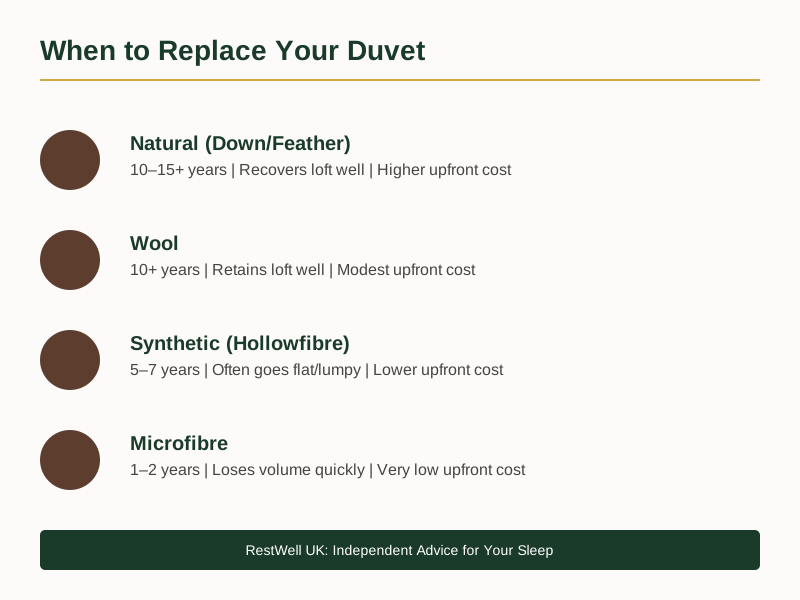
Natural fills (down, feather, wool): These materials typically offer the longest service life, often maintaining performance for 10-15 years or more with proper care. The key advantage is their ability to recover loft after washing when dried correctly. There’s no need to replace a natural fill duvet that still passes the loft test, regardless of age.
Synthetic fills (hollowfibre, microfibre): These generally have shorter lifespans, with many showing significant performance decline within 5-7 years. Microfibre in particular tends to lose volume relatively quickly with washing. The trade-off is lower initial cost, making synthetics practical for temporary use or budget constraints.
The long-term cost calculation often surprises people—a more expensive natural duvet that lasts three times as long may prove more economical over a decade than repeatedly replacing cheaper synthetics. However, the higher upfront investment isn’t feasible for everyone, and quality synthetic options work well for guest rooms or short-term needs.
Health and practical considerations
Sometimes replacement decisions hinge on factors beyond mere performance. For those with asthma, allergies, or sensitive skin, more frequent replacement may be necessary if thorough cleaning doesn’t sufficiently reduce allergens.
Duvets accumulate dust mites, dead skin cells, and allergens over time. Washing at 60°C or higher helps control this buildup, but if symptoms persist despite regular cleaning, replacement becomes a health necessity rather than a performance issue.
Practical constraints also influence replacement timing. Many standard UK washing machines cannot properly accommodate king-size duvets, leading owners to skip necessary cleaning. If your duvet isn’t being washed regularly due to machine limitations, it may need earlier replacement than one receiving proper maintenance.
Visible damage like tears, leaking filling, or broken baffles also warrants replacement, as these structural issues cannot be resolved through cleaning alone.
If you’re assessing your entire sleep setup, get the free Sleep Better Checklist—it helps you evaluate your mattress, pillows, and duvet together to identify what needs attention.
Common questions answered
What’s the right washing frequency?
Most duvet care guidance recommends washing at least once or twice yearly. For allergy sufferers or households with pets, more frequent cleaning may be necessary. Proper washing at appropriate temperatures helps control allergen buildup and maintains hygiene.
Will my duvet fit in a standard machine?
Many king-size duvets won’t fit comfortably in standard UK washing machines. Cramming a duvet into an undersized machine risks damage to both the appliance and the duvet itself. When in doubt, use launderette facilities with large-capacity machines or professional cleaning services.
How can I identify my duvet’s fill material?
Shake the duvet vigorously—natural fills typically spring back quickly and feel light, while synthetics often feel heavier and clump together. The care label sewn into the seam should specify the fill type if you’re uncertain.
Is a decade-old duvet still usable?
If it’s natural fill and still recovers its loft after washing, age alone isn’t a reason for replacement. Synthetic duvets of the same age are more likely to have degraded. Focus on performance rather than calendar years when making replacement decisions.
Duvet fill types compared
| Fill Type | Expected Service Life | Key Performance Indicator | Initial Cost |
|---|---|---|---|
| Natural (Down/Feather) | 10–15+ years | Recovers loft after proper drying | Higher |
| Wool | 10+ years | Maintains loft well | Moderate |
| Synthetic (Hollowfibre) | 5–7 years | Often loses loft prematurely | Lower |
| Microfibre | 2–5 years | Volume loss with washing | Lowest |
Practical next steps for your current duvet
The replacement decision ultimately comes down to observable performance. Wash and thoroughly dry your duvet—if it regains its loft, it’s still functional. Persistent flattening, clumping, or odour that survives proper cleaning indicates it’s time for replacement.
Natural fills offer longer service but require greater initial investment. Synthetic options work well for budget-conscious buyers or temporary needs but typically won’t last as long. Health concerns or visible damage may necessitate replacement regardless of insulation performance.
Before purchasing a replacement, ensure you’re selecting the appropriate tog rating for your needs and sleeping environment. An improperly matched duvet will compromise comfort regardless of its quality.
If you need guidance on washing your current duvet before making a final decision, our Bedding Care: Washing, Drying & Replacement Guide provides detailed cleaning instructions that might extend its usable life.
Sources & further reading
- NHS guidance on allergy management
- Consumer bedding care recommendations from UK manufacturers
Note: This information provides general guidance. Always check specific care instructions for your duvet and consult manufacturers for personalised advice.