How Heavy Should A Weighted Blanket Be? (The 10% Rule)

The 10% rule gives you a solid starting point—take your body weight and aim for about a tenth of it. But that’s just the beginning. From there, you’ll need to adjust for whether you sleep on your side or back, whether you’re using a single or double blanket, and how sensitive you are to pressure. Getting comfortable means moving beyond the basic calculation.
People often buy weighted blankets expecting instant calm, only to find themselves wrestling with something that feels more like a burden than a comfort. The right weight should feel supportive, not restrictive. Too light and you won’t feel the calming pressure; too heavy and it becomes a safety concern.
Why the Right Weight Makes All the Difference
Deep pressure stimulation works by applying gentle, even pressure across your body. This can help calm the nervous system, potentially easing anxiety and improving sleep quality for some people. The effect relies on getting the pressure just right—enough to feel secure without feeling trapped.
When the weight is properly calibrated, the blanket should distribute evenly without creating pressure points on your shoulders or chest. If you wake up feeling pinned down or struggling to move, the blanket is definitely too heavy for you.
Safety First: Understanding the Limits
Weight selection isn’t just about comfort—there are genuine safety considerations. Blankets that are too heavy can restrict breathing or cause overheating, particularly for people with certain health conditions.
General guidance suggests avoiding blankets that exceed 10% of your body weight. For those with respiratory issues, circulation problems, or difficulty regulating body temperature, it’s wise to consult a healthcare professional before use.
If a blanket feels uncomfortably heavy when you first try it, that’s your body telling you it’s not right. Don’t push through that feeling—the goal is relaxation, not endurance.
Finding Your Weight Range
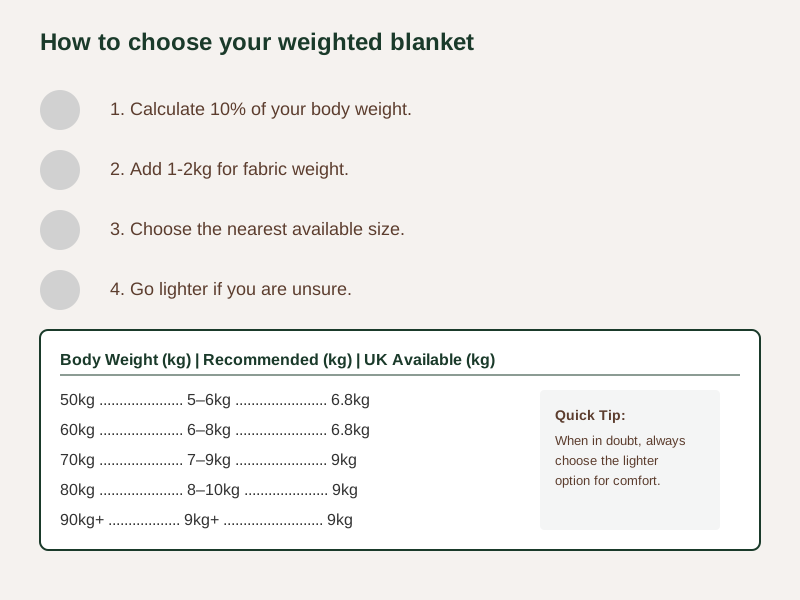
Start with the 10% guideline as your baseline. For most adults, this means:
- 50kg adult → 5kg blanket
- 60kg adult → 6kg blanket
- 70kg adult → 7kg blanket
- 80kg adult → 8kg blanket
- 90kg+ adult → 9kg+ blanket
UK retailers typically stock weighted blankets in sizes like 4.5kg, 6.8kg, and 9kg. If your calculation puts you between sizes, opt for the lighter option. You can always add layers if needed, but you can’t reduce the weight of a blanket that’s too heavy.
Consider your sleep position too—side sleepers might prefer slightly lighter weights to avoid shoulder pressure, while back sleepers often tolerate heavier options.
Common Pitfalls to Avoid
Watch out for these mistakes when choosing:
- Choosing by feel alone – A blanket might feel comforting in the shop but become oppressive through the night.
- Ignoring sleep position – Your preferred sleeping posture affects how weight distributes across your body.
- Sharing one blanket – Each person should have their own appropriately weighted blanket.
- Assuming heavier is better – The most effective weight is the one that feels comfortably supportive, not overwhelming.
A simple test: if you can’t easily adjust the blanket with one hand during the night, it’s probably too heavy for comfortable use.
Questions People Often Ask
Can a weighted blanket be too heavy?
Absolutely. If it exceeds the recommended guidelines for your weight, it can cause discomfort, restrict movement, and even affect breathing. If you wake up feeling trapped or sore, try a lighter option.
What if my calculated weight isn’t available?
Choose the nearest lighter size. A blanket that’s slightly underweight but comfortable all night beats one that’s too heavy to use properly.
Do I need a special cover?
While not essential, a removable cover makes cleaning much simpler. It also helps with temperature regulation—important in UK bedrooms that can vary significantly between seasons.
Can I use one with a memory foam mattress?
Yes, but be mindful that both can retain heat. If you tend to sleep warm, look for breathable materials in both your mattress and blanket cover.
Weight Guidelines at a Glance
| Body Weight (kg) | Recommended Blanket Weight (kg) | Common UK Sizes |
|---|---|---|
| 50 | 5 | 4.5-6.8 |
| 60 | 6 | 6.8 |
| 70 | 7 | 6.8-9 |
| 80 | 8 | 9 |
| 90+ | 9+ | 9+ |
Putting It All Together
Once you’ve settled on the right weight, the next step is comparing different sizes and fill materials to find your perfect match. Our main bedding guide shows how weight interacts with other factors like size and filling type.
The goal is a blanket that feels reassuring without being restrictive. Start with the 10% guideline, then adjust based on your personal comfort and sleeping habits.
If you’re still unsure after reading this, Get the Free Sleep Better Checklist. It walks you through the other factors that contribute to good sleep, helping you make informed decisions about your entire sleep setup.
Further Reading
For more on how weighted blankets fit into your overall bedding choices, see Choosing the Right Bedding: Togs, Materials & Fit.
Sources & Further Reading
Note: This guide provides general information based on the 10% rule. Always consult a healthcare professional or occupational therapist for advice specific to your medical history.