How to Wash a Weighted Blanket: Step-by-Step
That moment your weighted blanket comes out of the wash damp and twice as heavy is when you realise the real challenge isn’t getting it clean—it’s managing the sheer bulk. Before you even think about detergent, check two things: your machine’s maximum load capacity and the blanket’s care label. Ignoring either could mean a broken machine or a ruined blanket.
This guide walks you through the whole process—checking the label, washing the right way, drying without destroying the beads—so you end up with a blanket that actually feels clean and comforting rather than one you’re nervous to use.
Understanding Your Blanket’s Care Requirements
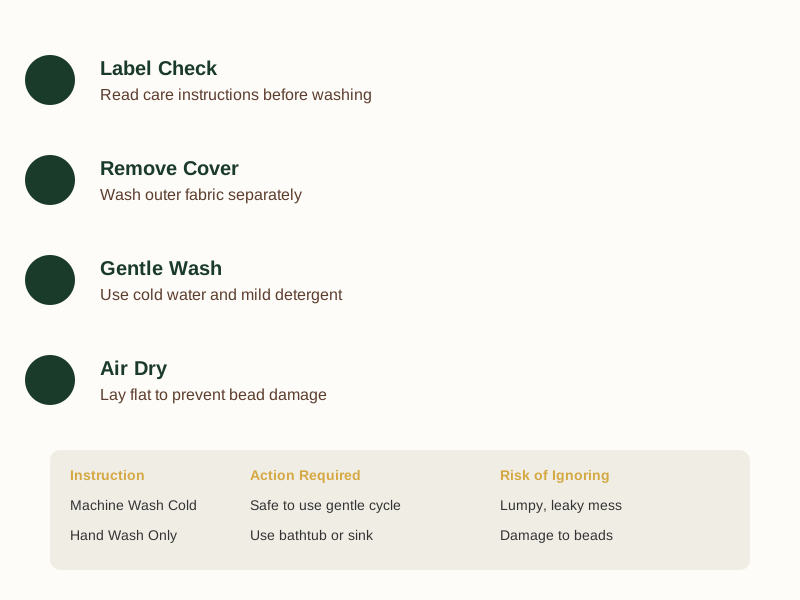
The care label isn’t just a suggestion—it’s the manufacturer’s instructions for keeping the internal fill intact. Skipping this step is how blankets end up with burst beads and leaking seams.
Labels typically specify one of these cleaning methods:
- Machine Wash Cold – safe for a gentle cycle
- Hand Wash Only – avoid machine washing entirely
- Dry Clean Only – requires professional cleaning
- Spot Clean – for localised stains only
If the instructions say “Dry Clean Only,” take it to a professional. Home washing methods can’t replicate the specialised solvents used in dry cleaning, and attempting it yourself may damage the blanket’s internal structure.
When the label is faded or missing, assume the most cautious approach: hand wash or spot clean. It’s better to spend extra time on a safe clean than to risk permanent damage.
Preparing for the Wash
The main risk to a weighted blanket isn’t the cleaning itself—it’s the internal beads cracking under stress or the seams weakening from improper handling.
Remove any outer cover first. Many weighted blankets have a removable cover that should be washed separately on a gentle cycle. This reduces the weight in the drum and prevents unnecessary friction.
Wash the inner blanket alone. A wet weighted blanket becomes substantially heavier and can unbalance your machine. Use cold water (30°C maximum) on a gentle or delicate cycle with a small amount of mild detergent. Avoid fabric softeners, stain removers, or bleach.
Verify your machine’s capacity. Check your washing machine’s manual for its maximum load weight, particularly for gentle cycles. If your blanket approaches this limit, consider using a launderette with larger machines or hand washing instead.
Alternative Cleaning Methods
When machine washing isn’t suitable, you have two safe alternatives.
Hand washing is labour-intensive but gives you full control. Fill a bathtub with cold water and mild detergent, submerge the blanket, and gently press the water through the fabric. Avoid wringing or twisting. Drain the water and press the blanket against the tub sides to remove excess moisture before drying.
Spot cleaning works for localised stains like coffee spills or sweat marks. Dampen a cloth with cold water and a tiny amount of detergent, then blot the stain from the outside inward. Rubbing can push dirt deeper or disturb the bead distribution.
Hand washing a large weighted blanket requires significant effort. If mobility is a concern or the blanket is particularly heavy, professional cleaning or a launderette with large-capacity machines may be preferable.
Drying and Ongoing Care
Air drying is the only safe method for weighted blankets. Lay it flat on a clean, dry surface and flip it halfway through drying. Drying times vary with room temperature and humidity—expect it to take significantly longer in colder conditions. Position it near a radiator for faster drying, but keep it away from direct heat sources.
After drying, redistribute any clumped beads by gently shaking and massaging the blanket. This ensures even weight distribution and prevents lumpiness.
Regularly inspect the seams for signs of wear or thinning. Early detection allows for repairs before beads start leaking.
Common Questions Answered
Is tumble drying ever safe for weighted blankets?
Air drying is safest unless the care label explicitly allows low heat tumble drying. High heat can damage the filler or stitching.
Should I use fabric softener?
Avoid fabric softener as it can affect the blanket’s texture and breathability. Use plain, mild detergent instead.
How frequently should I wash my weighted blanket?
Every 4-6 months is typical for regular use. Wash more frequently if you sweat heavily, have pets on the bed, or notice odours developing sooner.
Care Label Reference
| Label Instruction | Recommended Action |
|---|---|
| Machine Wash Cold | Gentle cycle with cold water |
| Hand Wash Only | Bathtub or sink washing |
| Dry Clean Only | Professional cleaning required |
| Spot Clean | Localised cleaning only |
Next Steps After Cleaning
Once your blanket is clean and dry, the maintenance is straightforward. Regular spot cleaning between full washes will keep it fresh longer.
If your blanket failed the capacity or care-label check—either too heavy for your machine or requiring professional cleaning—your decision point is simple: invest in professional cleaning versus replacement cost. For many weighted blankets, professional cleaning is more economical than replacement.
To maintain your overall sleep environment, our free Sleep Better Checklist covers the other elements that contribute to restful sleep—from mattress care to bedroom conditions.
Get the Free Sleep Better Checklist
Further Reading
For comprehensive bedding care advice, see our Bedding Care: Washing, Drying & Replacement Guide.
Sources & Further Reading
Note: General guidance only, verify details with a qualified professional or official source.