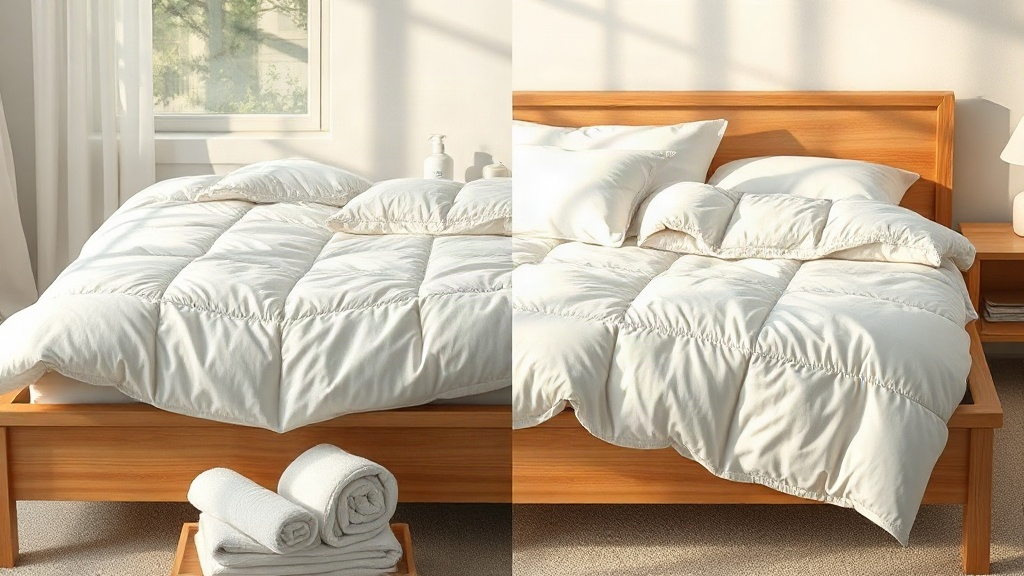
How to Wash a Duvet (Without Yellowing or Clumping)
Your duvet is full of dust mites and sweat. Here’s how to wash it properly without ruining the fill or your machine.
Your duvet is full of dust mites and sweat. Here’s how to wash it properly without ruining the fill or your machine.
Washing your pillow once a year isn't enough. Sweat and oils penetrate pillowcases in just 2–3 months, triggering acne and allergies. Here's the UK hygiene sweet spot.
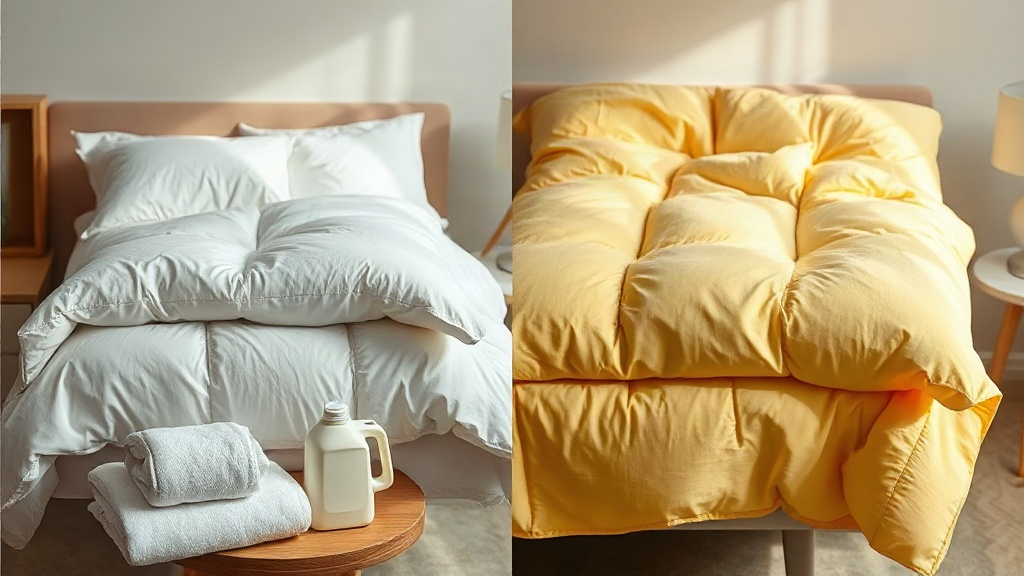
Most people stretch to 12 months, but allergens build up fast. Here's the UK frequency guide that balances cost, effort, and hygiene.
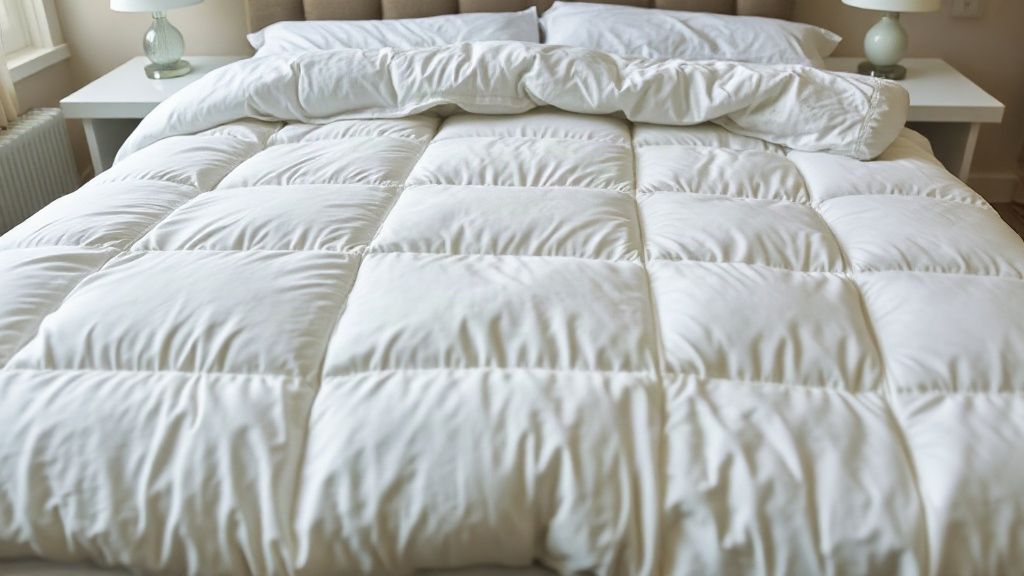
Most UK machines can't handle a king duvet. Here's the simple test to see if your bedding is too heavy for home washing and when to use a laundrette instead.
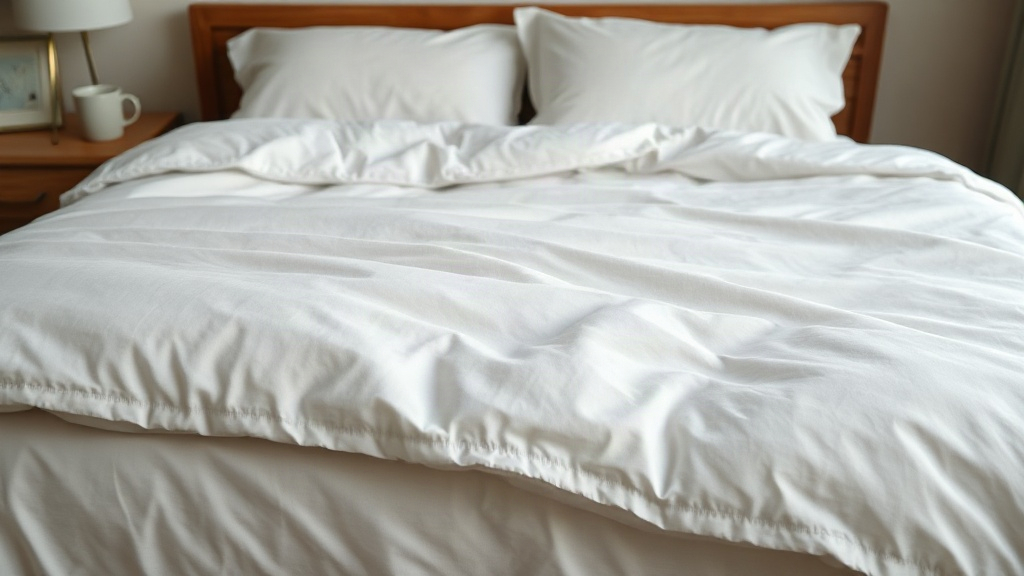
Waking up to damp sheets? It’s likely your duvet cover or bedroom humidity, not the duvet itself. Here’s how to fix the microclimate without buying a dehumidifier.
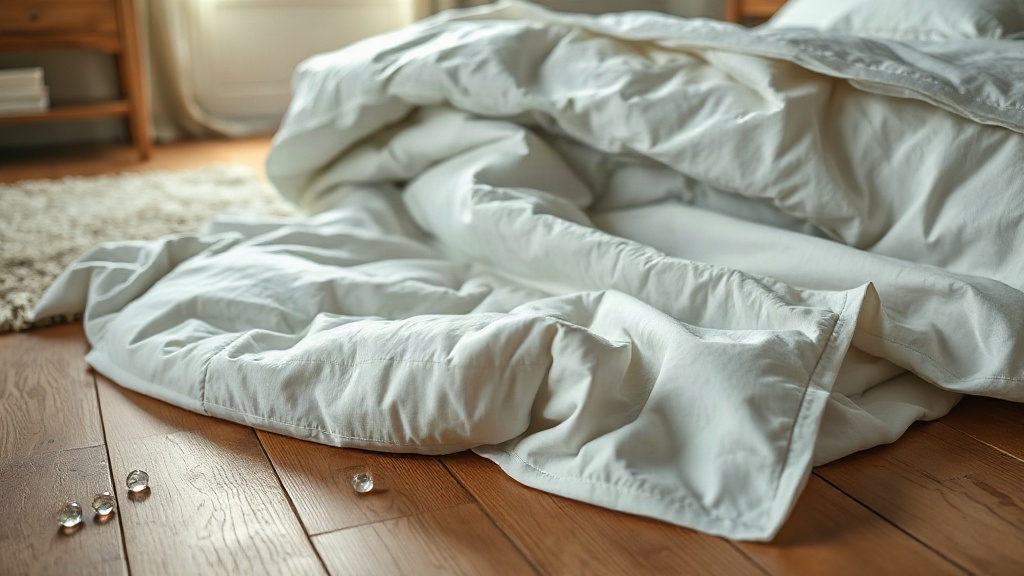
Found beads on your floor? It’s likely not the bead quality. Here’s why weighted blankets leak and how to fix the seam failure causing it.
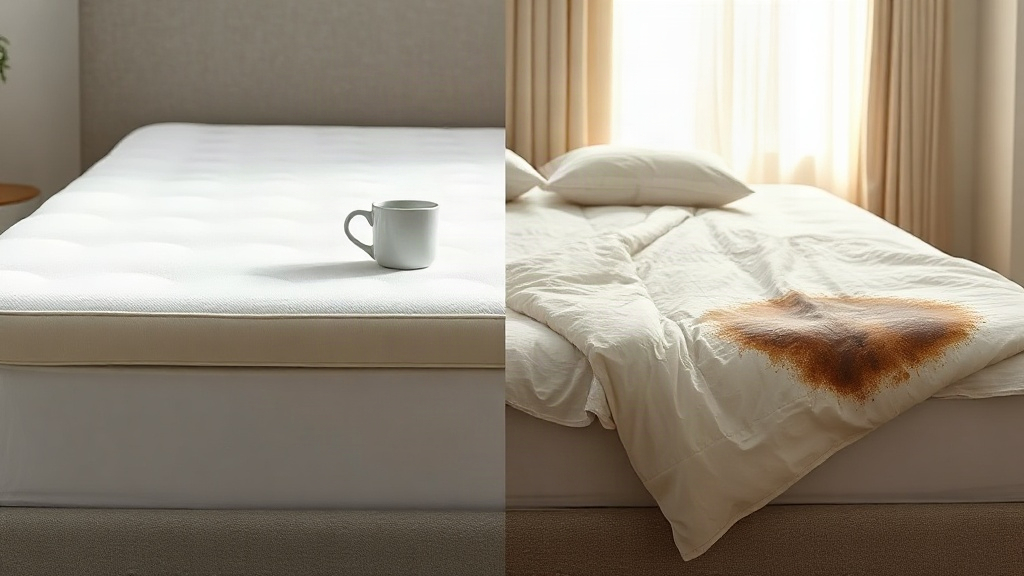
Waking up damp? Your mattress topper might be leaking from the inside. Here’s why waterproof backing fails and how to stop it without replacing everything.
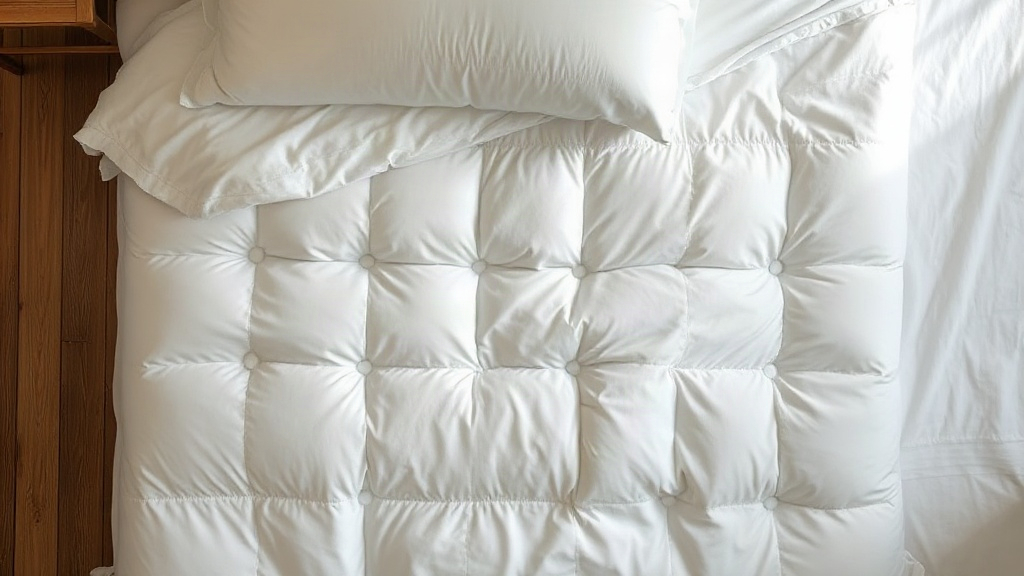
Your duvet feels lumpy despite washing it. The problem is usually fill migration, not wear. Learn why this happens and how to fix it based on your duvet type.
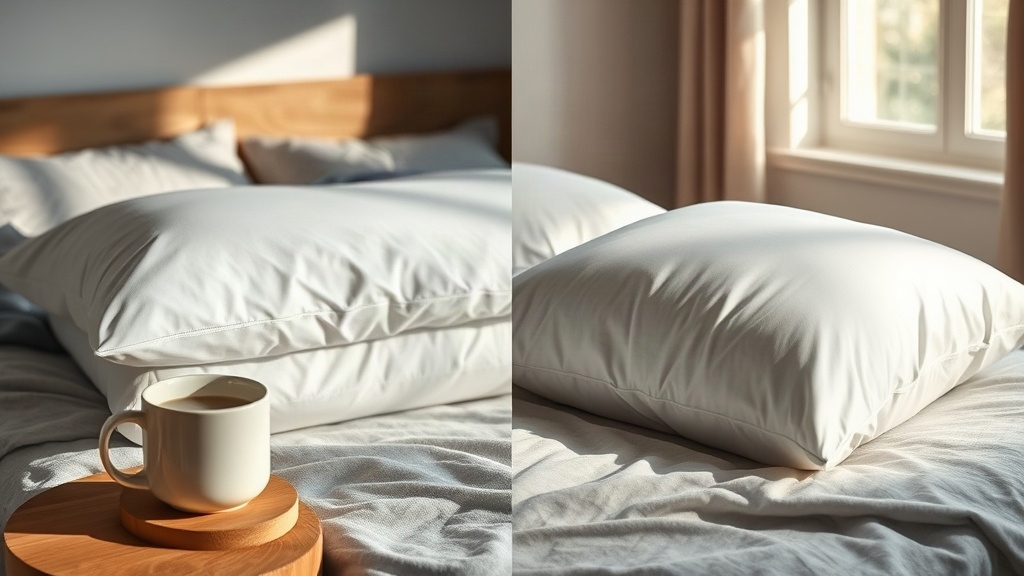
Your pillow goes flat because you're not fluffing it. Here's the simple daily habit that stops compression and extends your pillow's life by years.
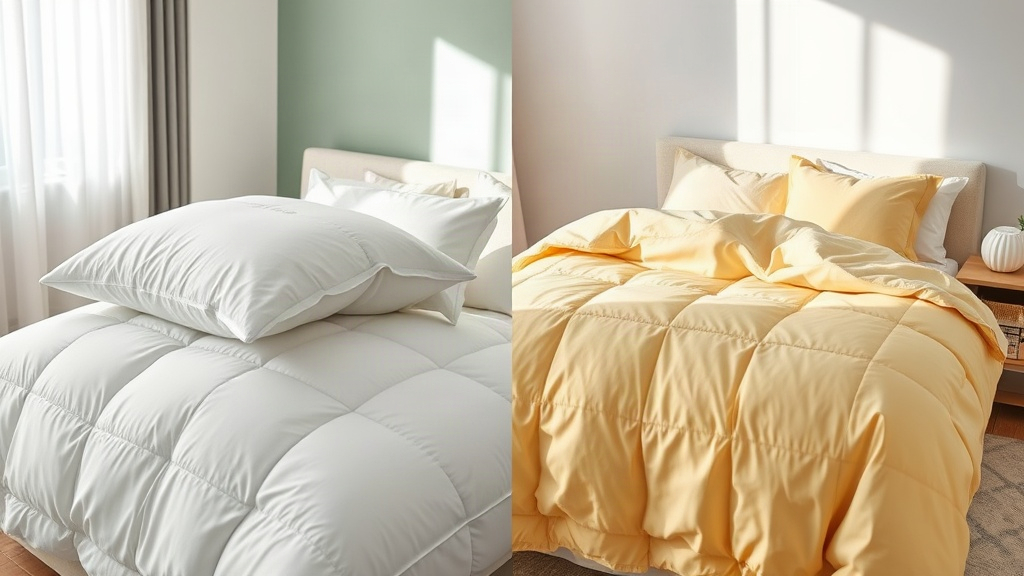
Yellow patches on your duvet aren't just dirt — they're caused by sweat and oils reacting with your bedding. Here's the science behind the stain and how to remove it.