How Often Should You Wash Your Pillow? (UK Guide)
UK households typically wash their sheets weekly while pillows go unwashed for years. This behavioural gap exists because pillowcases create a false sense of cleanliness, but sweat and oils pass through woven fibres into the fill regardless. Over the first few months of use, the pillow’s interior accumulates enough moisture and organic material to create conditions that dust mites actively seek out.
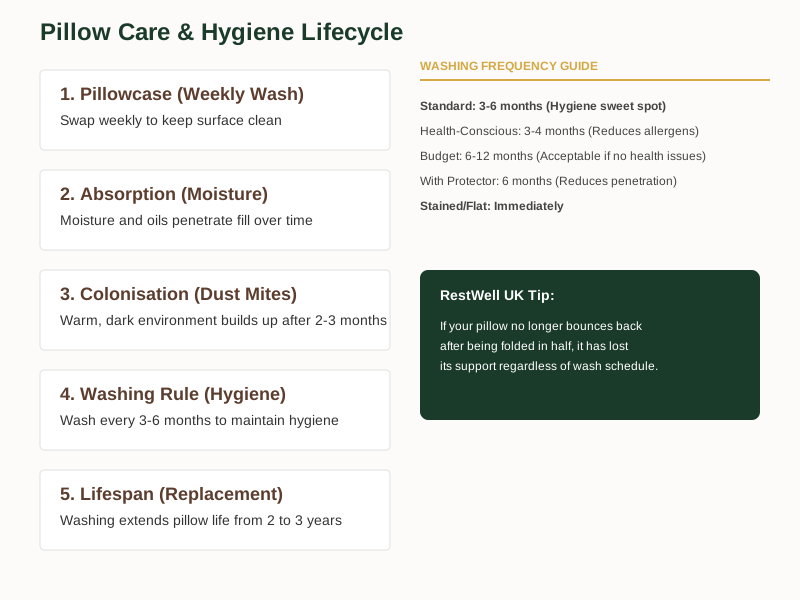
The pillowcase does a reasonable job of keeping the surface clean, but it’s not the barrier you might think. Sweat, natural skin oils, and even saliva pass through those woven fibres and work their way into the fill over time. After a couple of months of regular use, the inside of your pillow has absorbed enough material to create the warm, dark environment dust mites thrive in — even when the pillowcase looks spotless.
This isn’t about being precious with your bedding. It’s about the fact that your face spends six to eight hours a night pressed against something that’s quietly degrading. The solution is simpler than most people assume: regular washing extends a pillow’s lifespan considerably. Here’s the full picture.
Why Your Weekly Wash Isn’t Enough
The pillowcase is porous by design. It needs to be — a thick, impermeable layer would feel horrible against your face. But that porosity means it acts more like a sieve than a shield. Everything your skin produces overnight — sweat, oils, dead skin cells, the odd splash of saliva — gradually makes its way through the fabric and into the fill beneath.
After a couple of months of nightly use, the pillow’s interior has absorbed enough moisture and organic material to create conditions dust mites actively seek out. They’re not just living on the surface; they’ve colonised the fill. The exterior might look fine because the pillowcase gets swapped out weekly, but inside, the damage is building quietly.
Owners consistently report a stale, musty smell that appears once a pillow is finally washed. That scent doesn’t come from the surface; it comes from within. Wash it, and you suddenly remember what the pillow felt like when it was new. The difference is tangible, confirming exactly what mechanisms like sweat penetration and fill degradation are doing in there.
A pillow protector — the tightly woven cover that sits between your pillowcase and pillow — does genuinely help. It reduces how much gets through to the actual fill. But even with a protector, oils and moisture find their way through over time. No fabric barrier is completely impermeable, so regular washing remains necessary regardless.
How Often Should You Actually Wash Your Pillow?
UK guidance from sources like Good Housekeeping recommends washing your pillow every three to six months. That range isn’t a fudge; it depends on your situation.
Most people land at once a year or less because of the pillowcase illusion: they wash the case, the surface looks clean, and they assume the pillow is fine. The fill absorbs moisture and oils well before that mark. The three-to-six-month window is the hygiene sweet spot — frequent enough to interrupt accumulation before it triggers health issues, but not so often that the mechanical action of washing accelerates wear on the fill.
There are two reasonable positions, and the right one depends on you:
- Health-conscious — If you have allergies, acne-prone skin, or asthma, wash every three to four months. The reduction in allergen and bacteria load is worth the slightly more frequent cycle.
- Budget-conscious — If you’re on a tight budget and don’t have specific health concerns, six to twelve months is acceptable. You won’t be in crisis. Just watch for the triggers below.
The “Stained or Flat” rule applies regardless: if you can see staining or the pillow has lost significant loft, wash it immediately. Don’t wait for the schedule. If you’re using pillow protectors and swapping pillowcases weekly, you can comfortably sit at the six-month end of the range, as the protector reduces moisture penetration.
The cost comparison makes this straightforward. A decent synthetic pillow typically costs £20–£40 and needs replacing sooner if you skip washing. Regular washing extends its lifespan — you’re replacing it less often. The washing costs pence per cycle. It’s not a close call financially.
Washing Your Pillow Without Ruining It
Check the label first. Foam pillows should not go in the washing machine. The agitation can damage the foam structure. Spot-clean with a damp cloth and mild detergent, then air dry completely. Many synthetic fills, down, and feather pillows are machine washable if the care label allows.
The mistake owners flag more than any other: fabric softener. It leaves a coating on the fibres that reduces breathability and can cause the clumping you’re trying to avoid. Use a mild detergent on its own.
When loading the machine, many guides recommend washing two pillows at once for balance. A single pillow in a drum can create an unbalanced load.
Three steps for drying:
- Air dry — Lay flat or drape over a clothes horse. Flip daily and swap positions to ensure even drying. This typically takes a day or two in a heated room.
- Tumble dry — Low heat only. Toss in two tennis balls inside a sock (keeps them contained but still bounces). The balls break up clumps and help restore loft. Faster than air drying, but watch the heat.
- Whatever you choose — fully dry it. A pillow that’s even slightly damp when you put it back on the bed creates conditions for dust mites and mould. This bit matters.
The honest takeaway from owner feedback: most people overthink the process and underdo it. It doesn’t need to be complicated. A gentle wash cycle, no softener, and a proper dry is all it takes. The payoff in how it feels when you’re lying on it that night is immediate.
When Replacement Becomes Necessary
Washing extends a pillow’s life considerably, but it doesn’t stop the clock entirely. Fill fibres break down with use regardless of how clean you keep them — compression over years flattens the structure in ways that washing cannot reverse. Even the best-maintained pillow has a shelf life.
General guidance suggests two to three years for most synthetic and down pillows. If the pillow is showing lumps, has visible indentations that don’t spring back, or has taken on a greyish tint from absorbed oils despite being clean, those are replacement signals. Once the fill has compacted, no amount of washing restores it; you can get it hygienically clean and still have something that offers zero support.
Visible mould or black specks? These indicate replacement is needed. Mould inside a pillow can affect respiratory health, and the structural damage is already done.
Owners consistently report an immediate improvement in how their neck and shoulders feel in the morning after replacing old, flat pillows. It’s one of those things you don’t realise is contributing to stiffness and poor sleep until you swap it out. If your pillow is several years old and you’re wondering why you keep waking up with a sore neck, this could be part of the answer.
The timeline isn’t rigid — heavier use will push you toward the shorter end, while a backup pillow in a guest room might go three to four years comfortably. But two to three years is a reasonable window for a pillow doing daily duty in a UK home.
Can I wash a foam pillow in the washing machine?
No. Foam pillows should be spot cleaned with a damp cloth and mild detergent. Machine washing — even on a gentle cycle — can cause foam to break apart and lose its structure. Once that happens, the pillow won’t recover. Air dry completely after spot cleaning.
How do I dry a pillow quickly?
Tumble dry on a low heat setting with two tennis balls inside a sock (keeps them contained but still bounces). The balls break up clumps and restore loft while the dryer runs. If you don’t have a dryer, a well-ventilated room with a clothes horse and a fan will do it — just flip and rotate the pillow regularly.
Does washing a pillow kill dust mites?
Hot water washing at 60°C or above kills dust mites and removes their allergens effectively. Many UK washing machines can run a cotton cycle at this temperature. The catch is thorough drying afterward — a damp pillow after washing simply recreates the conditions dust mites need. Low tumble drying or fully air drying in a warm room is essential, not optional.
Washing and Replacement: Two Separate Questions
This article answers how often to wash your pillow — but that’s only half the story. Once you’ve established a washing routine, the next logical step is knowing when replacement becomes necessary. Our replacement guide covers the specific signs that indicate it’s time for a new pillow, completing your pillow-care audit.
Get the Free Sleep Better Checklist to see how pillow hygiene fits into your overall sleep setup.
Related Guides
For detailed washing instructions and replacement timelines, see our Bedding Care: Washing, Drying & Replacement Guide.
Sources & Further Reading
- Good Housekeeping UK - How to Wash Pillows
- National Sleep Foundation
- Which?
Note: General guidance only, verify details with a qualified professional or official source.