Why Is My Bedding Making Me Itch?
You wake up scratching, your first thought is the sheets. But they’re clean. Next suspicion: pests. Yet before you call an exterminator or switch detergents, there’s a step most people miss—checking whether your sleep environment or the fabric itself is the real trigger.
That middle ground—between obvious infestation and simple washing—is where most nighttime itching actually lives. The honest answer is rarely about washing more. It’s usually one of three things: unseen allergens, fabric friction, or a reaction to your cleaning products. Getting the diagnosis right matters because each cause demands a completely different fix. Spending money on the wrong solution is a common and frustrating mistake.
Here is how to work out what is actually going on.
The Red Flag Check: Are You Being Bitten?
Before anything else, eliminate the worst-case scenario. Bedbugs are not a hygiene problem—they’ll inhabit the cleanest flat in Chelsea as happily as anywhere else—but they are expensive to eradicate and deeply unpleasant to live with. Catching them early makes a significant difference to the hassle and cost involved.
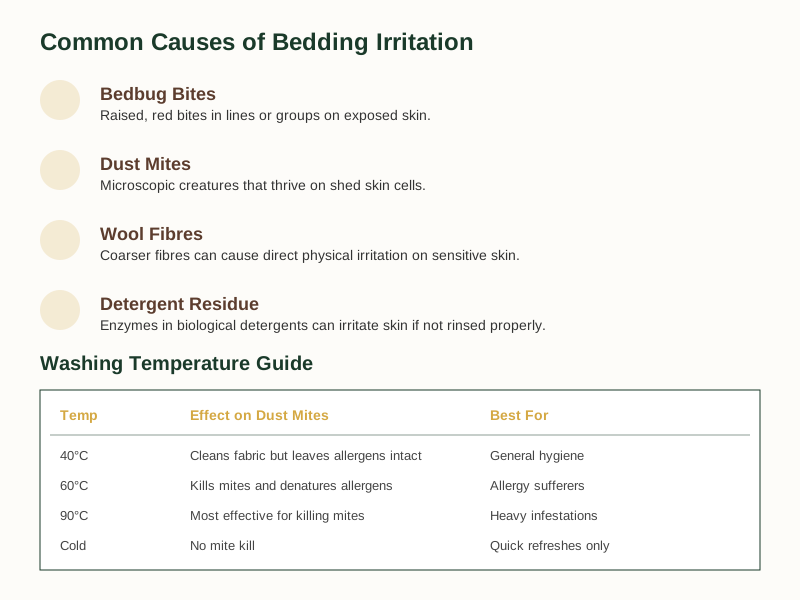
The key is looking for three things together. Bedbug bites tend to be raised, red, and appear in lines or clustered groups on skin that is exposed at night—typically your face, neck, arms, and shoulders NHS. You should also check your mattress seams, bed frame joints, and the area behind your headboard for small brown spots (their droppings) and tiny fresh blood marks on your sheets NHS. Bedbugs themselves are small, dark, and flat—about the size of an apple seed—and they hide in crevices during the day.
If all three of those elements are present—patterned bites, blood spots on sheets, brown markings in the bed frame—call a pest control professional. Don’t waste time with over-the-counter sprays; the DIY route often makes things worse by scattering them into neighbouring rooms.
If you have checked all of that and nothing is showing up, you can breathe out. It is almost certainly not bedbugs.
The Allergy Culprit: Dust Mites
This is the one most people never think about, and it is the most common cause of nighttime itching linked to bedding. Dust mites are microscopic creatures—you won’t see them—that live on shed skin cells. They love warm, slightly damp environments, which makes a UK bed in winter an ideal habitat.
The itching isn’t caused by the mites themselves. It is caused by their droppings, which trigger allergic reactions in many people—sometimes mild irritation, sometimes full eczema flare-ups that appear overnight. A telltale sign that mites are the trigger: the itching gets worse when you are warm in bed, as the heat activates the allergens.
The fix is straightforward, but the details matter. You need to wash bedding at 60°C or above—that is the temperature that kills dust mites and denatures the allergens in their droppings. A 40°C wash will clean the fabric but leave the allergen problem intact. If you have a duvet that cannot go in the machine, take it to a launderette with industrial-size machines, or look into professional cleaning services—most UK towns have one, and it is usually around £15-£25.
The change people notice when they get this right is often fast. If dust mite allergens were the underlying trigger, cutting the allergen load at the source tends to bring overnight itching and flare-ups down within a couple of weeks—faster than treating the skin symptoms alone. It won’t help itching or skin issues that have a different cause, so if things aren’t improving, that’s a sign to look elsewhere rather than wash more.
This is also why a mattress topper isn’t always the right answer for an itchy bed. Adding another layer of material without addressing the allergen load underneath just gives dust mites more real estate to live on.
The Fabric Factor: Why Your Sheets Feel Rough
If you have ruled out bugs and started washing at 60°C but the itching persists, the problem is likely the material itself—or what you are washing it with.
Wool bedding is the most common culprit here. Wool fibres are coarser than synthetic alternatives, and on sensitive skin they can cause direct physical irritation rather than an allergic reaction The Wool Company. You will notice it feels rough to the touch, and the itch tends to be most intense where the fabric contacts skin directly. If you have recently switched to a wool duvet or pillow and started itching, this is likely your answer.
The fix isn’t always replacing the whole duvet. Adding a cotton layer between you and the wool—a good quality cotton sheet, or a cotton mattress topper—creates a barrier that stops the fibres reaching your skin while preserving the warmth benefit. Higher-gauge wool (which means finer, softer fibres) is less likely to cause this problem, but it is also more expensive.
There is one more thing worth checking: your detergent. Biological detergents contain enzymes designed to break down proteins in food stains—useful for stained tea towels, less useful if residue is left behind on fabric that sits against your skin for eight hours. If you have switched detergents recently and started itching around the same time, that is worth investigating. Switching to a non-biological, fragrance-free option and running a second rinse cycle takes five minutes and rules it out.
Can I just use cold water to wash my bedding?
Cold water will rinse fabric clean, but it won’t kill dust mites or remove the allergens in their droppings. If you have a confirmed dust mite allergy, 60°C is the minimum that actually sorts the problem. The exception is if you are washing purely for hygiene between allergy-focused hot washes—cold water is fine for that, but don’t rely on it as your only method.
How often should I change my pillowcase?
If you have spot-prone or sensitive skin, every two to three days makes a genuine difference—pillowcases accumulate skin cells, product residue, and allergens just like sheets do. For everyone else, changing it twice a week alongside your weekly full bedding wash is plenty. The pillow itself doesn’t need washing as often; every three to six months is usually fine, unless you have pets on the bed or someone has been ill.
Will an itchy mattress mean I need to buy a new one?
Not necessarily. If dust mites are the cause, a rigorous washing and airing routine can bring things back under control without spending a penny on a new mattress. If the issue is the mattress material itself—old, degrading foam, or something that is simply wrong for your skin—a good quality mattress topper (cotton or synthetic, not memory foam if you sleep warm) can be a cheaper interim fix while you save for a replacement. A mattress topper costs roughly £40-£100; a new mattress is £300-£1,000+. If you are on a tight budget, start with the topper.
Bedding Washing Temperature Guide
| Temperature | Effect on Dust Mites | Best For |
|---|---|---|
| 40°C | Cleans fabric but leaves allergens intact | General hygiene between hot washes |
| 60°C | Kills dust mites and denatures allergens | Dust mite allergy sufferers |
| 90°C | Most effective for killing mites | Heavy infestations or very sensitive skin |
| Cold | No mite kill | Quick refreshes only |
When to Seek Professional Advice
If you’ve worked through the diagnostic steps—checking for bugs, washing at 60°C, and checking fabric and detergent—and the itching persists, or if you notice signs of bites accompanied by blood spots on sheets, it’s time to consult a GP for skin issues or a pest control expert for suspected infestation. Self-diagnosis can only take you so far.
The diagnostic path is straightforward once you know it: check for bites and evidence of bugs first, because that is the one where delay costs you money. If nothing is showing up there, your bedding probably needs a hotter wash than it has been getting. If that doesn’t sort it, look at the material—particularly if you have recently changed your duvet or detergent.
Most of the time, this is a fix-you-don’t-need-to-replace situation. The people who end up buying new bedding unnecessarily are usually the ones who jumped straight to the expensive option without working through the cheaper diagnosis first.
If you are ready to sort your sleep setup properly—and make sure you are not missing the other common bedroom factors that affect skin and comfort—grab our free Sleep Better Checklist. It is a straightforward walkthrough of the things that actually make a difference versus the things that are just marketing.
Get the Free Sleep Better Checklist
Related Guides
For a complete overview, see our Dealing with Bedding Comfort Issues.
This information is for general guidance only. Always verify specific medical advice or pest control requirements with a qualified professional or official source.