How to Clean a Memory Foam Mattress (Without Ruining It)
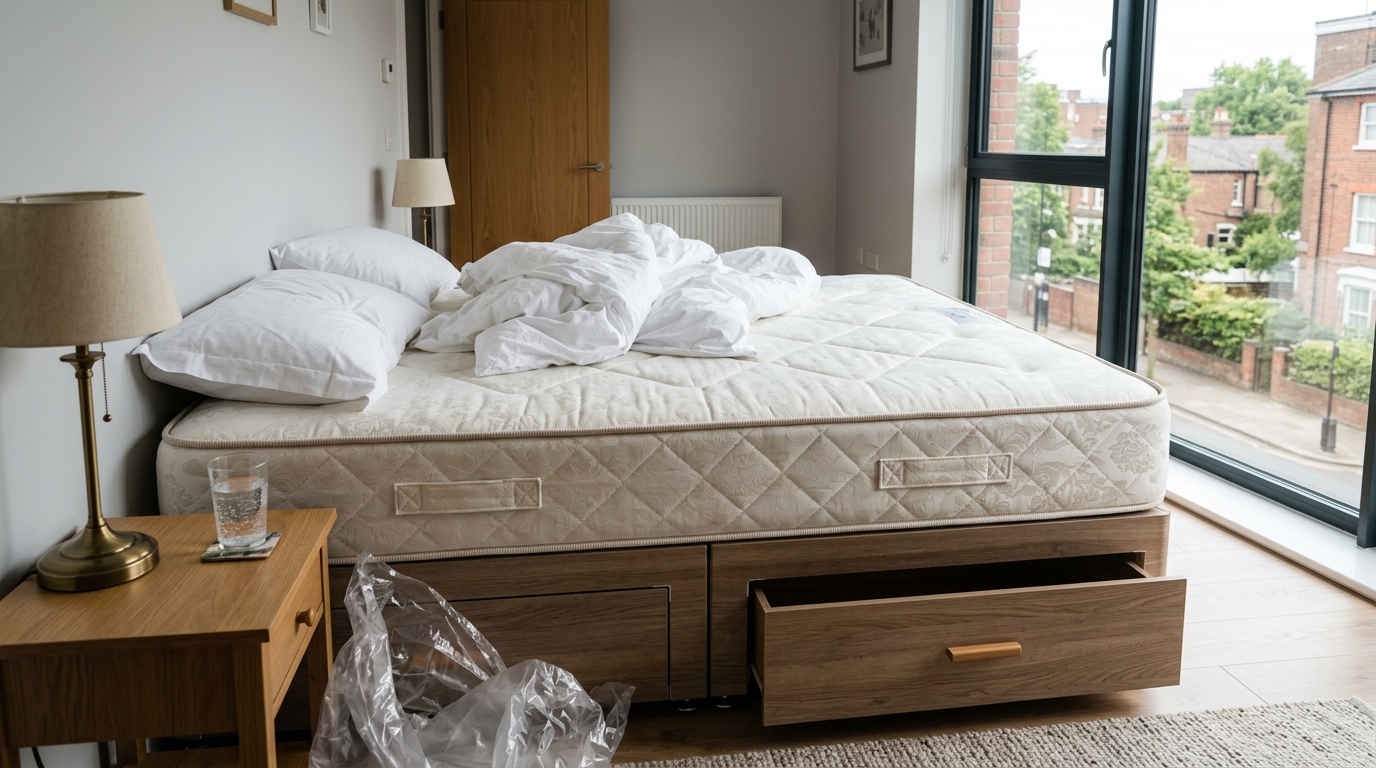
Red wine on a memory foam mattress spreads fast, and panic spreads faster. That foam cost a few hundred quid, and the last thing you want is a soggy, mouldy slab that needs replacing. The good news is you don’t have to chuck it out. With the right gentle approach, you can lift the stain, banish the smell, and keep the foam intact without ruining the material.
Why you must always air-dry a memory foam mattress
You must always air-dry a memory foam mattress because applying direct heat will literally melt the cellular structure of the foam. Heat from hair-dryers, hot water bottles, or radiators causes the temperature-sensitive material to soften, contract, and permanently deform, leaving you with a sticky, uneven lump that never springs back.
Air-drying isn’t about leaving the bed in a cold, damp room for days on end. It means creating airflow so the moisture evaporates quickly without adding warmth. A small floor-standing fan or a dehumidifier set to its laundry or dry mode does the trick. Keep the room at a modest 18–20°C—typical for a UK winter flat—and point the fan at the wet spot.
Too many people try to speed things up with a hair-dryer, only to end up with a gummy patch that smells like burnt plastic. Trust me, that’s a one-way ticket to a costly replacement.
Preparation: The “Dry” Sweep
Before you drizzle any liquid onto the foam, you need to get rid of all loose dirt and dust. A dirty surface will just turn into a muddy smear the moment you touch it with a damp cloth.
- Strip the bed completely—sheets, duvet, and any mattress protector.
- Grab a vacuum with a soft brush attachment. Run it over the whole mattress, paying special attention to seams, stitching, and any crevices.
- Inspect for loose buttons, zips, or fabric tears that could snag a cloth later on.
A quick vacuum takes about five minutes and saves you from rubbing grit into the foam. According to Asthma + Lung UK , dust mites thrive in warm, damp environments, so regular vacuuming is worth the investment anyway. Aim for once a week in a typical British bedroom.
Spot Cleaning: The Gentleman’s Protocol
Now we get to the actual stain removal. Different spills need different chemistry, so do not reach for a universal all-purpose kitchen spray.
General spills (wine, juice, coffee)
Mix two or three drops of mild washing-up liquid into a cup of warm (not hot) water. Dampen a clean cloth until it’s just barely moist—think a heavily wrung-out tea towel—and blot the stain. Never soak the foam. You are aiming for a gentle lift, not a soaking.
Biological stains (sweat, urine, vomit)
Enzymatic cleaners are the gold standard here because the enzymes actively break down the organic matter causing the odour. If you can’t get hold of one, a safe home mix is one part hydrogen peroxide (3%) to two parts water, plus a teaspoon of baking soda. Test this on a hidden corner first so you don’t discolour the foam. Apply with the same barely-damp cloth technique.
Oil‑based stains (make‑up, greasy food)
A small amount of isopropyl alcohol (70% is fine) on a cloth will dissolve the oil without flooding the foam. Again, dab the area, do not pour.
Golden rule: Never pour liquid directly onto the mattress. Always apply it to a cloth first. Spray a bottle straight onto the foam and you can leave a permanent, milky-white patch that never dries properly. If you want more tips on dealing with bedroom disasters, have a browse through our blog .
The Deep Clean: Baking Soda & The Fan
If the spot-clean didn’t erase the odour completely, it’s time for a full mattress refresh.
- Sprinkle a generous layer of baking soda over the entire surface. The powder looks like a light dusting of snow, which is exactly what you want.
- Let it sit for at least four hours. For stubborn smells, leave it overnight. In a typical UK home, the humidity in winter means the powder will stay dry and absorb moisture efficiently.
- Vacuum the baking soda away with the same brush attachment used earlier. This removes the absorbed odour and any lingering dampness.
- Keep the fan running for the next 12 to 24 hours to circulate air and speed up the final drying stage.
Baking soda is completely safe for memory foam. It is just a desiccant, not a harsh chemical that reacts with the cells. The only thing you must avoid is letting the powder sit for weeks, as it will just attract dust.
Common Mistakes: What to Avoid
| Mistake | Why it hurts | Quick fix |
|---|---|---|
| Over-wetting (soaking the foam) | Water can sit in the cells for weeks, leading to mould and a stinky mattress. | Stick to a just-damp cloth, and always check for lingering dampness after 24 hours. |
| Scrubbing (vigorous rubbing) | Breaks down the foam’s structure, creating permanent soft spots. | Pat, don’t rub. Gentle pressure only. |
| Harsh chemicals (bleach, strong disinfectants) | Degrade the polyurethane, turning the foam yellow and brittle. | Use mild soap, enzymatic cleaners, or the alcohol mix above. |
| Ignoring a damp patch (assuming it’s dry) | A hidden wet zone will foster mildew, especially in damp UK flats. | Feel the surface. If it’s cool or sticky, keep the fan running until it’s completely dry. |
If you ever feel unsure, pause and let the mattress air out a bit longer. A bit of a faff now saves you buying a full replacement later.
Frequently Asked Questions
Can you use steam cleaners on memory foam?
No. Steam cleaners inject hot water and high pressure into the bed, which melts the foam cells and traps moisture deep inside. This almost always leads to permanent sagging or hidden mould. Stick to a damp cloth.
How long does it take for a memory foam mattress to dry?
It typically takes 24 to 48 hours in a standard UK home. You can cut that down to 12 to 24 hours by running a fan directly over the damp patch and keeping the room well-ventilated.
Will baking soda ruin my mattress?
Not at all. Baking soda is a safe, dry desiccant that absorbs moisture and neutralises odours without reacting with the polyurethane foam. You just need to vacuum it up thoroughly once it has done its job.
Can I use vinegar to clean a mattress?
You can, but use it sparingly. Vinegar is highly acidic and can weaken the foam structure if you soak it. For biological stains, mild soap or a dedicated enzymatic cleaner is much safer.
Cleaning Solutions Reference
| Stain Type | Recommended Solution | Application Method |
|---|---|---|
| General (wine, juice) | Mild washing-up liquid & warm water | Blot with barely damp cloth |
| Biological (sweat, urine) | Enzymatic cleaner or peroxide mix | Apply gently, test first |
| Oil-based (makeup, grease) | Isopropyl alcohol (70%) | Dab with cloth, do not pour |
| Odour removal | Baking soda | Sprinkle, leave 4+ hours, vacuum |
| Drying method | Air drying | Use fan or dehumidifier, avoid heat |
Where to Go From Here
You’ve now got the rescue protocol down: no-heat drying, a dry-sweep preparation, targeted spot cleaning, and a baking-soda deep clean if needed. Keep a good mattress protector on—it’s the cheapest insurance against future spills—and rotate the mattress every three months to even out wear.
If you’re ready to future-proof your sleep space, grab our Free Sleep Better Checklist. It walks you through regular upkeep, protector washing schedules, and the best cleaning products for UK homes. It’s the next logical step after you’ve salvaged this mattress. If you have a specific problem that isn’t covered, you can always get in touch with us.
Taking the Next Step
The Sleep Charity notes that a well-maintained mattress should last around seven years, and keeping it clean is a huge part of that. A clean memory foam mattress can keep you sleeping soundly through damp British winters and sweltering summer nights. Don’t let a single spill do you in. Follow the protocol, stay on the safe side with the no-heat rule, and you’ll be back to a fresh bed without the expense of a new one.
Get the Free Sleep Better Checklist and keep your mattress—and your wallet—in good shape.
Sleep tight, and remember: a little patience now does the money-saving, mould-preventing trick that every renter wishes they’d known sooner.
Sources & Further Reading
- The Sleep Charity
- Asthma + Lung UK
- Royal Society for Public Health
Related Guides
For a complete overview, see our Why Is My Mattress Sagging in the Middle? .
Note: This article is for informational purposes. Always check with a qualified professional for advice specific to your situation.