How Much Should You Spend on a Mattress? (UK Price Guide)
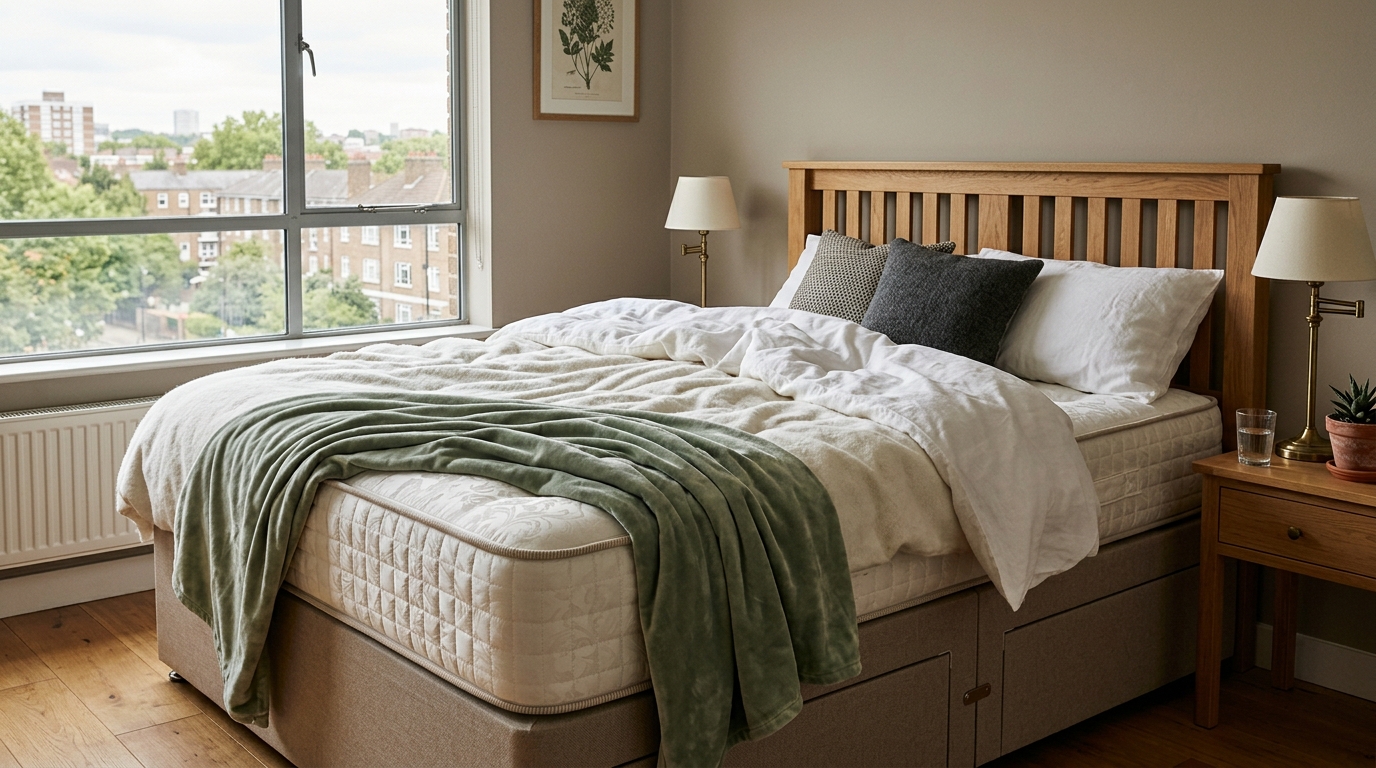
If you are waking up with a sore back and wondering if your mattress is the culprit, the answer is almost certainly yes. A £180 bed-in-a-box that pancakes within months will leave you feeling like you have run a marathon in your sleep. The price you pay upfront is only a rough proxy for how long a mattress will actually support you. Here is how to figure out what you actually need to spend, without throwing money at features you don’t need.
Get the Free Sleep Better Checklist
The “Buy Cheap, Buy Twice” Trap
A £200 foam mattress might look like a bargain, but in a typical UK flat it often lasts just two to three years. Multiply that by the cost of a new mattress, plus the inevitable physiotherapy sessions when the foam sags and your spine goes on strike, and you’re looking at well over £300 in hidden expenses.
As a rule of thumb, budget mattresses under £300 tend to last 2–4 years of regular use before sagging noticeably, whereas those in the £600–£800 bracket are typically built to the 8–10 year mark. That gap does the maths for you: a £200 mattress at £80 a year (including a £150 physiotherapy bill spread over three years) versus a £650 mattress at roughly £65 a year when you factor in its longer life.
This is more common than most people realise. A cheap foam topper can turn a bedroom into a furnace and leave a hot-spot of back pain. Swap it for a mid‑range pocket‑spring and the aches usually fade within weeks. The ROI calculator is simple – divide the purchase price by the expected years of use, then add any health‑related costs. If the total per night feels higher than a cuppa, you’re probably in the cheap‑to‑twice zone.
How Much Should You Actually Spend on a Mattress?
You should expect to spend roughly £500 to £800 for a decent, durable mattress that will support you properly for eight to ten years. If you go below £300, you are firmly in the budget category, which usually means basic open-coil springs or thin foam that will likely start sagging within two to three years. Premium options over £1,000 offer luxury materials like natural latex or advanced cooling, but they aren’t strictly necessary for a good night’s sleep.
Think of it like shoes: a pair of £50 trainers will wear out fast and ruin your gait; a £200 pair keeps you upright. The same principle applies to sleep. The Sleep Charity generally advises replacing your mattress every seven years, but a cheap foam block won’t even get you half that far.
Why do high‑street showrooms charge £200‑£400 more than the same model online? It’s the “showroom tax” – rent, staff commissions, and the wear‑and‑tear of constantly displayed beds. Retail price comparison sites such as John Lewis and Very consistently show online‑only deals that are 20‑30 % cheaper.
If you’re still unsure, our mattress buying guides walk you through the exact steps to avoid that extra markup.
Price Ranges: What You Actually Get
Understanding the market tiers helps you set realistic expectations for your budget. Here is a breakdown of what you get for your money:
- Budget (£150‑£400) – Open‑coil or basic single‑layer foam. You’ll feel a dip after a few months, especially if you’re a side‑sleeper. Good for occasional guests, but not a long‑term solution.
- Mid‑Range (£400‑£800) – Pocket‑spring core topped with memory foam or latex. This is the “sweet spot” for durability and support, and the minimum bracket for genuine back‑pain relief. Construction in the £600‑£800 range is usually where spinal alignment lasts years rather than a season.
- Luxury (£800+) – High‑density latex, multi‑layer foam, cooling gels and bespoke zoning. If you’re chasing the ultimate sleep experience and have the cash, this tier delivers, but it’s not necessary for most renters.
A quick look at the market shows that a £650 pocket‑spring with a £150 latex layer will outlast a £250 foam bed by a factor of three. For budget‑conscious shoppers, checking our roundups of the best mattresses under £500 highlights the few models that actually hold up past the two‑year mark.
The Hidden Costs of a New Bed
Most people forget that the sticker price isn’t the whole story. Before you hit checkout, factor in these common extras:
- Delivery and Disposal – Expect £50‑£100 for standard delivery sizes. Also, getting rid of your old mattress isn’t free; most local councils charge between £20 and £50 for bulky waste collection.
- Trade Site VAT – If you are browsing trade sites for a bargain, remember to add 20% to the advertised price; it’s easy to miss when you’re scrolling fast.
- Foundation – A solid bed frame or divan can run another £100‑£250, and the wrong foundation will ruin even a quality mattress.
- Sleep Trials – A 100‑night trial effectively makes a £1,000 mattress cost you nothing if you return it within the period, though returning them can be a bit of a faff if the company charges a collection fee.
The total landed cost can easily jump 30 % above the headline figure. A £400 mattress on a wholesale site can balloon to £560 after delivery and VAT.
If you’re budgeting, factor these extras in from the start – it saves you a nasty surprise later.
The “Sleep Test” ROI
A mattress isn’t worth the investment if you can’t tell whether it’s doing you any good. Here’s a quick checklist you can run at home to see if your current setup is failing:
- 10‑minute sit test – Sit on the edge; if you sink more than an inch, the foam is too soft.
- Wrist pain – Waking with numb arms usually means the mattress compresses too much under your weight, a hallmark of cheap foam.
- Back pain – Persistent soreness after a night’s sleep points to either a sagging spring core or an overly firm surface.
Match these symptoms to price tiers: wrist pain? You’re probably on a budget foam under £300. Back pain? You need at least a £600 pocket‑spring system.
For a deeper look at diagnosing mattress woes, browse our sleep blog for troubleshooting guides.
Not sure if your current mattress is the problem? Get the Free Sleep Better Checklist – it walks you through each symptom and tells you exactly what to look for.
How to Calculate Your True Mattress Budget
Follow these practical steps before you hand over any cash to make sure you aren’t falling into a false economy:
Step 1: Work out the cost per year Take the sticker price and divide it by the expected lifespan (usually eight years for a decent pocket-spring). If a £200 mattress only lasts two years, it is costing you £100 a year. A £600 mattress lasting eight years costs £75 a year.
Step 2: Add the hidden extras Factor in delivery fees, old mattress disposal through your local council, and a proper mattress protector. These can easily add £100 to your total upfront cost.
Step 3: Check the trial terms A 100-night trial is great, but check the small print to see if they charge a collection fee for returns. Some brands deduct £40 to £50 from your refund if you send the mattress back.
Mattress Price Ranges & Lifespans
| Price Range | Typical Materials | Expected Lifespan | Suitability |
|---|---|---|---|
| Budget (£150-£400) | Open-coil or basic foam | 2-3 years | Occasional guests only |
| Mid-Range (£400-£800) | Pocket-spring with memory foam or latex | 8-10 years | Long-term use, back pain relief |
| Luxury (£800+) | High-density latex, cooling gels | 10+ years | Ultimate sleep experience |
| Trade Site (ex VAT) | Various | Varies | Requires adding 20% VAT |
At a Glance
Is it worth spending over £1,000 on a mattress?
It depends on your specific needs. If you sleep hot in a stuffy flat, need advanced pressure relief, or want natural materials like wool and organic latex, premium mattresses deliver. However, for basic spinal support and comfort, a solid £600 to £800 pocket-sprung model is usually spot on for most people.
Do cheap mattresses cause back pain?
Yes, they often do. Budget foam and basic open-coil mattresses tend to sag quickly, which throws your spine out of alignment while you sleep. Waking up with lower back stiffness is a classic sign that your mattress is no longer supporting your weight properly.
How much should I spend on a guest bed?
You can safely spend less on a guest bed since it only gets occasional use. A budget option around £200 to £300 is genuinely fine for a spare room, provided your guests are only staying for a few nights at a time.
What to Read Next
You now have the tools to work out the true cost of a night’s sleep: compare the upfront price, add delivery, VAT and any health‑related expenses, and spread it over the expected lifespan. The cheapest option is rarely the cheapest in the long run – a £200 bargain can end up costing you more than a £650 investment when you factor in back‑pain appointments and a replacement mattress after two years.
If you’re ready to put this into practice, start by auditing your current set‑up with our free checklist and then use the price‑range guide to pinpoint a mattress that won’t do your back (or your bank account) a favour.
Get the Free Sleep Better Checklist and take the first step toward pain‑free mornings and a smarter mattress purchase.
You don’t need to splurge on a premium model to sleep well, but you do need to spend enough to avoid the hidden costs that cheap mattresses throw back at you. If you need more help deciding, feel free to contact us with your questions.
Related Guides
For a complete overview, see our Best Mattress for Side Sleepers UK .