Duvet Too Hot at Night? Here's What to Do
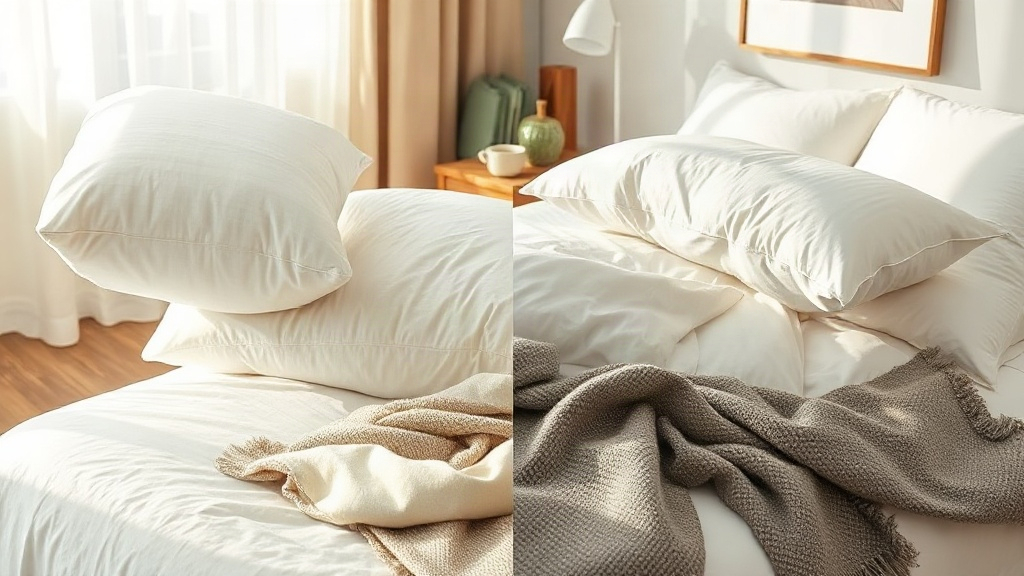
That feeling of being trapped in your own warmth under the duvet is distinct from simply sleeping in a hot room. The real issue lies in the bedding layer itself—how it holds onto your body heat even when the air around you cools. This guide tackles that core insulation problem first, then shows you how to adapt for night-time temperature spikes without quantifying them or buying new gear. For many, especially those experiencing hormonal changes, the solution isn’t a lower tog rating alone; it’s a smarter way to use the layers you already own.
The Real Culprit: Trapped Heat vs. Room Temperature
When you wake up hot, it’s useful to separate the heat your body generates from the warmth of the room. A duvet’s tog rating measures thermal resistance—essentially, how well it insulates you by trapping warm air. This is brilliant in a cold snap but becomes a problem when your internal thermostat fluctuates. A standard winter-weight duvet, like a common 13.5 tog, is designed for consistent cold. It can’t adjust when your body heat surges unexpectedly, leading to that frustrating cycle of overheating, kicking the covers off, and then feeling chilled.
Why Simply Buying a ‘Cooling’ Duvet Often Fails
The instinct to replace your duvet with a ‘cooling’ model is understandable, but it frequently misses the mark. While a lower tog duvet (like a 4.5 or 7.5) provides less insulation, it’s still a single, fixed layer. If your body temperature spikes dramatically during the night, even a lightweight summer duvet can trap enough heat to cause discomfort. Many specialised cooling duvets add a significant price premium for materials that may only offer a marginal improvement. The fundamental issue remains: a single duvet cannot provide the adaptability needed for fluctuating temperatures. Replacing a serviceable duvet can be an unnecessary expense if the new one doesn’t solve the underlying adaptability problem.
The Layering Fix: Control Without the Cost
The most effective strategy is to change your bedding system, not the individual components. Start by switching to a lower tog duvet—a 4.5 tog provides a good baseline warmth without excessive insulation. Then, keep a thin blanket or throw within easy reach, folded at the foot of the bed.
This system gives you real-time control. If you feel a chill when first getting into bed, pull the throw up. When a hot flush wakes you, you can push it off in seconds without wrestling with the entire duvet. The key is that the throw acts as a variable, adjustable layer, breaking the cycle of being stuck with too much or too little cover.
This approach is also cost-effective. If you already own a lightweight blanket, the fix costs nothing. If you need to buy one, a simple cotton or fleece throw is far cheaper than a new duvet. The system is also reversible; when proper winter arrives, you can return to your warmer duvet or layer two lighter ones for flexible warmth.
Putting Layering into Practice:
- Use a 4.5 or 7.5 tog duvet as your primary cover.
- Place a thin cotton or fleece blanket at the foot of your bed.
- Adjust the blanket as needed throughout the night.
- In colder months, consider using two lighter duvets instead of one heavy one for better control.
Now you know the core principle—Get the Free Sleep Better Checklist for more actionable tips on optimising your entire sleep environment.
Supporting Adjustments for a Cooler Sleep
While the duvet layer is primary, other factors can support your comfort.
Improve Airflow: Stale, warm air can accumulate overnight. Even in cooler weather, slightly cracking a window can introduce fresh air without creating a draught, helping to regulate the room’s temperature.
Choose Breathable Materials: The fabrics touching your skin matter. Natural fibres like cotton and linen are more breathable than synthetic alternatives, helping wick moisture away. If you use a mattress topper, note that memory foam models are particularly known for trapping heat, while natural wool or fibre toppers allow for better air circulation.
Pre-Sleep Habits: What you do before bed sets the stage. Heavy meals, alcohol, and caffeine can raise your body’s baseline temperature, making night-time overheating more likely. Being mindful of these, especially if you’re prone to temperature swings, can make a noticeable difference.
Common Questions Answered
What is the best tog for someone who sleeps hot?
A lower tog rating, typically between 4.5 and 9, is a better starting point. The advantage isn’t just less heat retention; it’s the flexibility to add a removable layer like a throw when needed, something a heavy 13.5 tog duvet doesn’t allow.
Are cooling duvets worth the money?
Some, particularly those made from breathable natural fibres, can help. However, many are simply lower-tog duvets with a marketing premium. The core function of any duvet is to insulate, so if adaptability is your goal, a layering system often provides more control for less money.
Why does a hot flush make me feel cold afterwards?
The sensation of cold after a hot flush is common. As the body works to cool down after a flush, blood vessels dilate, leading to a rapid loss of heat. This can make you feel chilly even if the room is warm. A layered bedding system is ideal here, as you can quickly remove a layer when hot and easily pull it back over you when cold.
Can I use a sheet to make my duvet cooler?
Absolutely. A lightweight cotton sheet placed over you, underneath the duvet, creates a breathable barrier. It’s a simple and effective way to reduce the insulating effect of a heavier duvet without changing your entire setup.
Quick Tog Reference
| Tog Rating | Best For | Insulation Level |
|---|---|---|
| 13.5 | Winter / Cold Nights | High |
| 7.5 | Spring / Autumn | Medium |
| 4.5 | Summer / Warm Nights | Low |
Making the Right Choice for Your Comfort
This guide has focused on fixing the bedding layer itself through adaptable layering. It’s a different approach from simply changing your duvet’s tog rating, which is covered in our Duvet Tog Guide. If your main issue is consistently being too warm all night, a lower tog is the answer. If, however, you experience fluctuating temperatures and night sweats, the layering fix described here gives you the control a single duvet cannot.
The best part is that you can test this system tonight with items you likely already own. It’s a practical, immediate step towards better sleep without upfront cost.
For a structured approach to improving your overall sleep setup, get our free Sleep Better Checklist. It walks you through the key factors that influence sleep quality.
Further Reading
For a deeper look at general bedding comfort problems, see our guide on Dealing with Bedding Comfort Issues.
Sources & Further Reading
Note: General guidance only, verify details with a qualified professional or official source.