Duvet Too Cold at Night? How to Stay Warm
Waking up cold isn’t always about needing more insulation. The paradox is that it can come from poor heat retention in one spot—often your feet—or from moisture building up inside the duvet, not just from a low tog rating. This guide checks for two clues: whether you’re cold all over or just your extremities, and if you then overheat later.
Piling on a thicker duvet is the instinctive fix, but it often worsens the cycle of freezing then sweating. Here’s what’s actually happening and how to break the pattern.
The Body’s Nightly Temperature Swing
That shivering-then-overheating cycle points to a thermostat issue, not a bedding one.
As you fall asleep, your core temperature naturally dips. It then rises again in the early hours. For many people this shift is subtle, but for those experiencing menopausal symptoms it can be dramatic. Sudden cold flushes cause intense shivering, only for a hot flush to follow soon after, forcing you to kick the duvet off.
You end up fighting your own body temperature all night. The duvet is just an innocent bystander.
The root cause lies in the hypothalamic thermostat in your brain, which becomes less stable during menopause due to oestrogen fluctuations. It misreads signals, demanding warmth one minute and triggering sweat to cool down the next. Buying a thicker duvet rarely solves this; it just adds more insulation to trap heat against you when the hot flush hits. You slightly ease the initial chill but make the sweaty part of the night much worse.
How Extra Tog Can Backfire
The reasoning seems logical: a cold room needs more insulation. But your body’s heat regulation is more complex.
A higher tog duvet excels at trapping heat. You warm up quickly at first, which feels great. However, that same insulation holds onto every bit of warmth your body generates. When your temperature naturally rises or a hot flush strikes, the trapped heat has nowhere to escape.
You fall asleep cosy, then wake up soaked an hour later. The thicker duvet has made the overheating episodes more severe.
The overlooked step isn’t buying more tog; it’s applying warmth precisely where heat loss is greatest—your feet. Warm your extremities, and your body doesn’t demand the duvet compensates by trapping heat everywhere else.
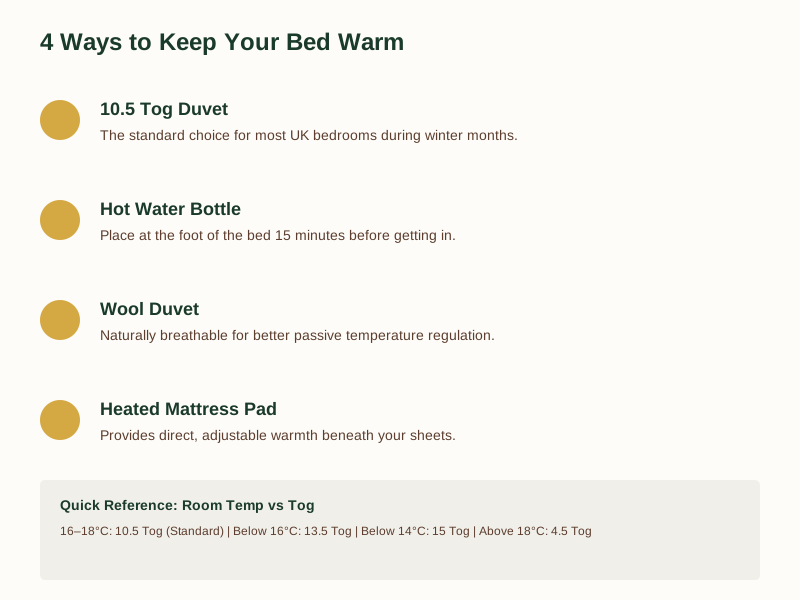
A simple, effective method is a hot water bottle placed at the foot of the bed, under the duvet. It delivers targeted warmth, allowing a moderate tog duvet to perform adequately without overheating your core.
According to NHS guidance, keeping bedrooms at around 18°C is advised for comfort and health. In these conditions, a 10.5 tog duvet combined with a hot water bottle is usually sufficient; jumping to 13.5 or 15 tog is often unnecessary. The heavier duvet traps excess heat at your core while your feet stay cold. Targeted heat resolves this mismatch.
For a more permanent setup, a heated mattress pad operates on the same principle—delivering warmth where it’s needed most without turning the entire bed into an oven. It’s a solid option if cold feet are a nightly battle.
Wool’s Passive Regulation
If you prefer a solution that doesn’t need nightly preparation, consider wool.
Wool uniquely responds to your body temperature. It’s breathable, allowing moisture to escape instead of being trapped against your skin. Crucially, wool fibres expand in the cold to trap more insulating air, and contract when warm to release it.
For someone navigating cold-then-hot cycles, this buffering effect is key. Wool moderates the swings, providing warmth without dangerous heat build-up, and helping to disperse heat during a flush.
People who switch often report a noticeable reduction in night-time adjustments and overheating complaints. While it can’t reconcile different preferences between partners, it narrows the gap.
The initial cost is higher than for a standard synthetic duvet. However, if you’re constantly battling your bedding, the improvement in sleep quality can justify the investment. Wool duvets also tend to be more durable, offering better value over the long term.
For everyday, set-and-forget temperature regulation, wool is the stronger choice.
The Role of Electric Bedding
Heated throws and electric blankets have their place. They offer active control, letting you warm up quickly when getting into bed and then reducing the heat later. This allows you to use a moderate tog duvet without the whole bed becoming too hot.
The main advantage is adjustability. If you reliably get cold when first falling asleep but heat up later, you can pre-warm the bed and switch off before overheating.
Safety is the critical caveat. You’re introducing an electrical device into a warm, sometimes damp environment. The risk is low with modern, well-maintained products, but it’s not zero. Never leave an electric blanket on all night unless its design specifically permits it. Follow the manufacturer’s instructions and inspect it regularly for wear.
For nightly use, wool or a hot water bottle is simpler and eliminates electrical risk. Reserve electric blankets for particularly cold spells or if your bedroom temperature consistently drops below 16°C.
If you’re regularly waking with drenched bedding even in a cool room, it’s worth consulting a GP. The NHS advises seeing a doctor if you have persistent or unexplained night sweats, as your duvet may not be the primary issue.
Your Questions Answered
What is the best tog rating for winter in the UK?
A 10.5 tog duvet suits most UK winter nights, where bedroom temperatures are often around 16–18°C. You only need 13.5 tog or higher if the room is consistently below 16°C, which is common in older, poorly insulated homes or if you don’t heat the bedroom. Remember, more tog means more heat retention, not necessarily more warmth where you need it.
Can I use a hot water bottle with a duvet?
Absolutely. It’s one of the most effective low-cost fixes. Place it at the foot of the bed under the duvet; the rising warmth heats your extremities where most heat loss occurs. This can make a 10.5 tog duvet comfortable in a room that would otherwise feel chilly. Ensure the bottle is sealed properly and check it for signs of wear regularly.
Why do I wake up sweating at night?
Several factors can cause night sweats. Hormonal changes, especially during menopause, directly disrupt temperature regulation and are a common cause. Overheating from excessive bedding is another, which you can control. If you’re waking up soaked in a cool room, the cause is more likely physiological than related to insulation, and speaking to a doctor is advisable.
Next Steps if You’re Still Cold
If you’ve corrected your tog but still wake up cold, the next check is your overall bedding system. Issues like a cold mattress, draughts, or moisture management often undermine a well-chosen duvet.
Our resource on Dealing with Bedding Comfort Issues breaks down these less obvious factors. It’s the logical next step for readers who have the right tog but aren’t feeling the benefit.
Ready to audit your full sleep setup? Get the Free Sleep Better Checklist. It walks you through the key points in your bedroom that affect warmth and comfort.
Further Reading
For a complete overview, see our Dealing with Bedding Comfort Issues.
References
Note: This article provides general guidance only. For specific medical advice or product specifications, consult a qualified professional or the official source.