Why Does My Pillow Go Flat? How to Fix It
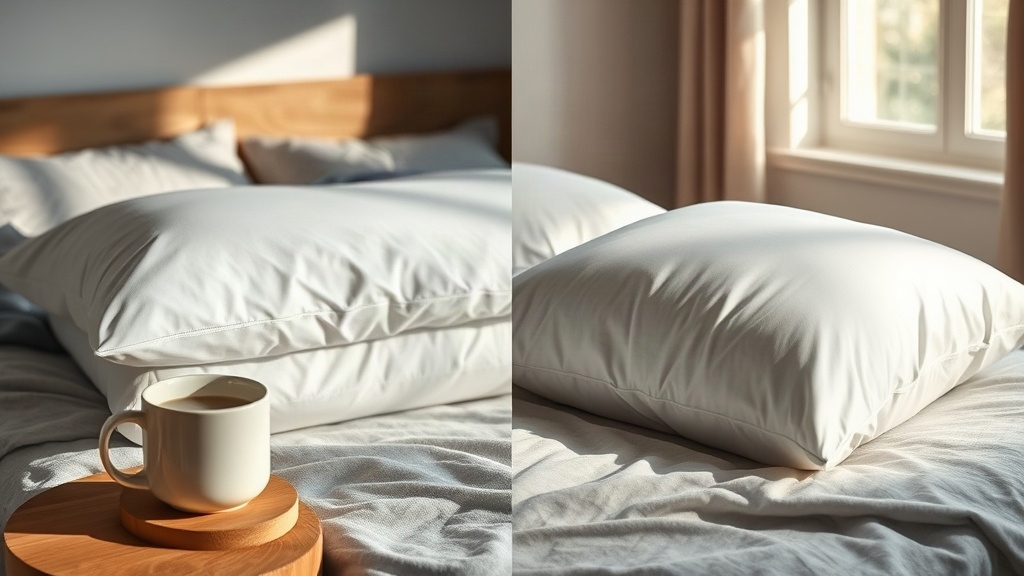
Washing or fluffing your pillow can tackle surface grime and temporarily restore its shape, but neither can repair a filling that’s structurally collapsed. This article separates the quick fixes from the signs that mean it’s time for a replacement.
You wake up, turn your head, and the pillow gives way. No resistance, no support — just the mattress pressing into your cheek. You’ve been here before. Maybe you flipped it, punched it back into shape, and tried again. A few hours later, same problem. If you’ve been buying new pillows every six months and wondering why they never last, the honest answer is simpler than you’d expect — and it’s not about the quality of what you bought.
This article explains why pillows lose their loft, what actually works to bring one back, and the daily habit most retailer care guides skip entirely. If you’ve already replaced your pillow once and don’t want to do it again, keep reading.
The Three Main Reasons Your Pillow Goes Flat
Pillows flatten for three interconnected reasons. Understanding them matters, because the fix differs depending on which one is driving the problem in your bedroom.
Moisture and body oils are the quiet killers. Every night you sweat, and over time that moisture works its way into the filling. Combined with natural skin oils, it breaks down the fibres — whether that’s hollowfibre, memory foam, or down. This is why pillows that aren’t aired regularly tend to lose their bounce faster in UK homes, where central heating dries the air but bedroom humidity can still creep up, particularly in older flats with poor ventilation.
Wrong pillow for your sleeping position is the second culprit. If you’re a side sleeper using a soft, low-loft pillow, it compresses under your shoulder weight and doesn’t recover. The same pillow in a back-sleeper’s bed might last twice as long. The mismatch between pillow firmness and sleeping style is one of the most common reasons people report their pillow going flat after just a few months — and it’s entirely avoidable if you choose the right pillow for how you actually sleep.
Natural material degradation does the rest. Even premium fillings have a lifespan. Hollowfibre compresses. Memory foam sags slightly at the edges over years. Latex holds up best, but eventually every pillow shows wear. The rule of thumb that budget pillows are done after six months isn’t universal — a well-maintained one can easily last a year or two — but it’s a useful benchmark for what budget options typically manage under daily use.
The common thread across all three? Compression. The filling gets squeezed and stays squeezed because nothing restores it.
The Missing Step in Pillow Care
Most care guides skip a crucial detail: you need to fluff your pillow every single day.
Memory foam, hollowfibre, and even latex pillows need that daily redistribution of filling to prevent permanent compression. When you sleep on the same spot night after night, the filling pushes out to the edges. If you don’t push it back, it stays there. After a few weeks of this, the middle of the pillow is thin enough to feel the mattress underneath.
The daily routine takes about 30 seconds. Grab both ends of the pillow and push the filling towards the centre, then shake it gently from end to end. Flip it over and repeat. That’s it. Some owners also rotate the pillow 180 degrees — head end to foot end — so different areas take the load each night. It’s a minor adjustment that makes a meaningful difference to how evenly a pillow wears.
There’s a secondary problem common in UK bedrooms: the pillow protector trap. A lot of people keep their pillows inside a protector all the time, which is sensible for keeping dust mites out. But protectors can trap moisture and prevent the pillow from airing properly. If you use a fully enclosed protector, make a habit of removing it during the day — or at least leaving the pillow case open to let air circulate. It’s a small step, but it’s the one that stops your pillow from going musty and flat before its time.
This maintenance habit is what most people skip. It’s not glamorous. But if you’re replacing pillows every six months and wondering what you’re doing wrong, this is where to start.
How Different Pillow Types Handle Compression
Not all fillings are equal when it comes to resisting flatness. Here’s how the main types stack up.
Memory foam is the strongest performer on longevity. It doesn’t spring back the way fibre does, but it also doesn’t compress permanently the way cheap hollowfibre does. It holds its shape for years rather than months. The trade-off is heat. Standard memory foam retains body heat, which many people find uncomfortable, especially if your bedroom gets warm in summer. Some newer formulations address this better than others.
Latex — the Dunlopillo type — is excellent for shape retention. Latex pillows are more shape-retentive than many fillings, bouncing back and holding their loft with less daily attention. The catch is price. Latex pillows sit at the premium end of the market, and for many buyers, the cost difference over a memory foam option doesn’t justify the performance gap unless you’re specifically after that hands-off, maintenance-light experience.
Budget hollowfibre options can hold their own if you work with them. With regular fluffing and a protector, these pillows often spring back into shape after sleep. They may not match the longevity of memory foam or latex over the long term, but for a spare room, a student flat, or someone who’s not ready to spend a lot, they’re a solid functional choice rather than a compromise.
Specialist shapes designed for side sleepers are built for a specific job. Side sleepers need higher loft to bridge the gap between shoulder and ear, and a pillow built for that position tends to maintain its structure better because the filling is distributed to handle that specific load. They tend to hold their structure well beyond the usual one-to-two-year window for standard pillows.
So which should you pick? The honest answer is that it depends on your budget and how much daily maintenance you want to do. If you don’t mind the 30-second fluff, a well-priced hollowfibre pillow with a protector will serve you fine. If you want to set it and forget it, latex is the clear winner. Memory foam sits in the middle — good longevity, decent price, but watch the heat issue if you sleep warm.
Now you know what to look for — Get the Free Sleep Better Checklist to help you maintain your bedding long-term.
When to Finally Replace Your Pillow
Sometimes maintenance isn’t enough. Here’s how to know when a pillow has genuinely run its course.
Most pillows — even well-maintained ones — should be replaced every one to two years. Hollowfibre typically sits at the shorter end of that range. Latex and quality memory foam can last longer than standard pillows.
Signs it’s time to replace it:
- Visible lumps or sections that won’t redistribute no matter how much you fluff
- A persistent musty smell that doesn’t clear after washing and airing
- Complete loss of support — you can feel the mattress through it even when it’s freshly plumped
- Any increase in congestion, sneezing, or skin irritation that coincides with time in bed — this is a sign of dust mite build-up inside the filling
On that last point: if your pillow is triggering allergy symptoms, don’t wait for it to flatten. Wash it if the care label allows, but if symptoms persist, replace it. Your sleep quality and your health are not worth saving thirty quid on a pillow.
A quick way to test it: fold the pillow in half and release it. If it doesn’t spring back to shape within a second or two, the filling has lost its resilience. That’s your answer.
If you’re replacing and want something that’ll last, look for hypoallergenic options — they’re built to resist dust mites and mould, which extends usable life and reduces the allergy risk that comes with older fillings.
Practical Steps and Longevity
How often should I wash my pillow?
Aim for every three to six months, or more frequently if you sweat heavily at night or have allergies. Most synthetic-filled pillows can go through a gentle machine wash cycle — check the care label, but most are fine at 40°C. Always dry thoroughly before use; a damp pillow is a dust mite breeding ground.
Can I put a pillow in the dryer?
It depends on the filling. Synthetic pillows generally handle a tumble dry on a low heat setting without drama. Down and feather pillows are trickier — high heat can damage the natural oils in the fill. If you’re unsure, air drying is the safer bet, though it takes longer in a UK winter. A couple of tennis balls in the dryer helps break up any clumps.
Does a pillow protector help prevent flattening?
Yes, a good protector does slow down the oil and moisture damage that accelerates flattening. But it doesn’t replace the need for daily fluffing — it just means your pillow gets there more slowly. Think of it as buying yourself extra months, not extra years.
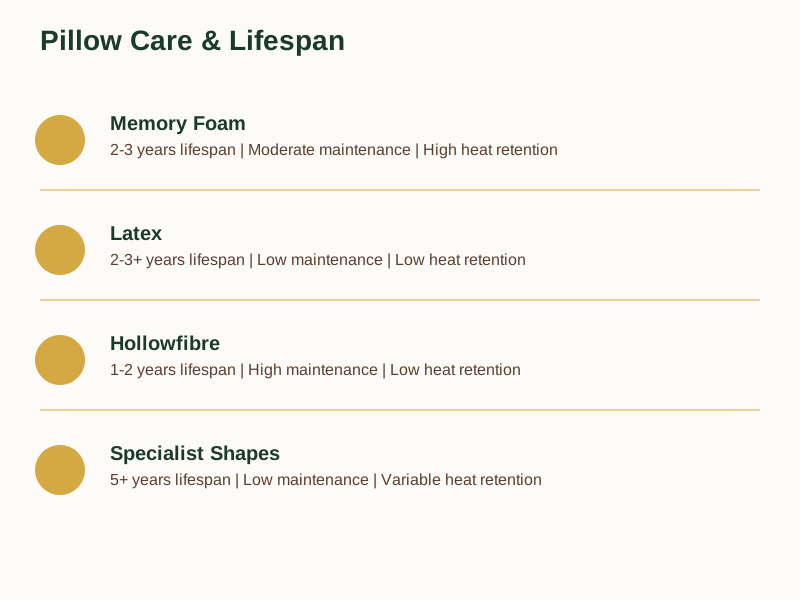
Pillow Type Longevity Comparison
| Pillow Type | Lifespan | Maintenance Needs | Heat Retention |
|---|---|---|---|
| Memory Foam | 2–3 years | Moderate | High |
| Latex | 2–3+ years | Low | Low |
| Hollowfibre | 1–2 years | High | Low |
| Specialist Shapes | 5+ years | Low | Variable |
Pillows go flat because the filling stays compressed and never recovers — moisture, wrong support for your sleep position, and the absence of any regular maintenance all contribute. The fix isn’t always buying a new one. In most cases, it’s a 30-second daily habit that most people simply don’t know about.
If you’ve been cycling through cheap pillows every six months, try this first: buy one decent hollowfibre pillow with a proper protector, and commit to the daily fluff. The difference in longevity will surprise you.
For a full breakdown of washing outcomes alongside replacement signs, see our Bedding Troubleshooting: Why Your Bedding Goes Wrong.
Sources & Further Reading
Note: General guidance only, verify details with a qualified professional or official source.