Why Does My Duvet Go Yellow? (And How to Fix It)
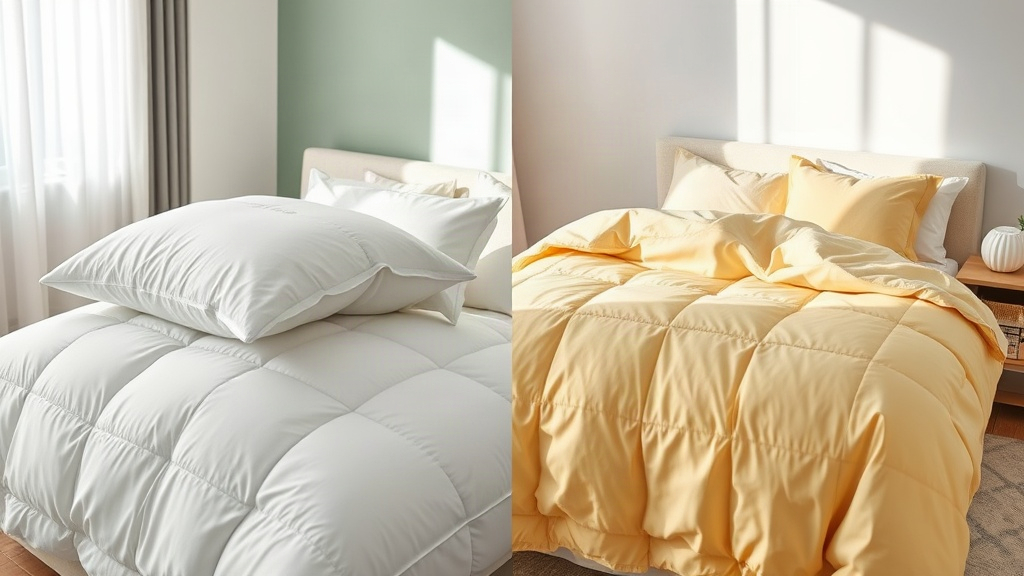
Body oils and sweat contain fatty acids that oxidise on contact with duvet fabric, turning yellow over weeks of use regardless of how clean you are. This chemical reaction is inevitable, not a sign of poor hygiene. Understanding this biological fact helps explain why yellow patches appear even when you haven’t spilt anything and shower regularly.
The yellowing occurs because these substances work their way into duvet fibres and undergo slow chemical changes with body heat. It’s a process similar to how toast browns or metal rusts - gradual and natural.
What Causes the Yellowing?
Several factors contribute to duvet discolouration, all stemming from normal bodily functions.
Sweat provides the moisture that carries oils and compounds deep into fabric. During sleep, your body releases perspiration - more than you might expect, especially in heated bedrooms during winter.
Body oils and skincare products transfer from your skin and hair to bedding over time. Facial moisturisers, hair treatments, and natural sebum don’t fully absorb before you lie down.
Saliva can also contribute, particularly for side sleepers or those who sleep with their mouth open. This leads to localised staining in specific areas.
The reason staining appears mainly on one side is simple: that’s the side in direct contact with your body, absorbing these substances night after night.
The Chemistry Behind the Stain
Most cleaning advice misses the crucial scientific explanation for why yellowing occurs.
Perspiration contains urea and fatty acids. When these penetrate duvet fibres and combine with body heat repeatedly, they undergo oxidation - a chemical reaction that causes yellowing. Detergent residue from previous washes can accelerate this process.
This isn’t a surface stain but a chemical change within the fibres themselves. That’s why yellowing deepens over time and why simple washing often fails to remove set stains completely.
The practical implication: preventing the buildup through regular washing is far more effective than trying to reverse established discolouration.
How Often Should You Wash Your Duvet?
Regular washing prevents oils from accumulating to the point where chemical reactions take hold. While recommendations vary, many bedding guides suggest washing every three to six months to maintain freshness and prevent staining.
However, duvets often go unwashed for much longer due to their bulky size and the challenge of drying them properly, especially in the UK’s damp climate. This washing gap allows fatty acids and other compounds months to react within the fibres.
If your duvet feels heavier than usual or has a faint musty odour when shaken, these indicate moisture and oil buildup that warrants attention.
When to Wash Versus Replace
The decision depends on the stain’s severity and the duvet’s overall condition.
| Condition | Action | Reasoning |
|---|---|---|
| Light yellowing, filling still plump | Wash thoroughly | Surface oils can be removed before chemical reaction sets |
| Dark yellow/brown staining | Consider replacement | Chemical changes may be too advanced for cleaning to reverse |
| Filling flat and lumpy | Replace | Loss of loft indicates poor insulation and worn-out duvet |
| Heavy musty smell | Wash immediately | Signals significant moisture and oil accumulation |
For light staining on a duvet that still has good loft, a thorough wash with biological detergent can restore freshness. But for deeply set stains on a duvet that’s lost its insulating properties, replacement usually proves more cost-effective than repeated cleaning attempts.
Common Questions Answered
Can washing restore a yellowed duvet?
Washing can lighten fresher stains but may not fully remove old, chemically set discolouration. Biological detergent on a warm cycle works best for recent staining. For stains that have developed over years, expect partial improvement at most.
Why does only one side discolour?
The side facing your body receives direct contact with sweat, oils, and skincare products. The top surface remains relatively protected, leading to localised staining on the underside.
Is bleach safe for duvet cleaning?
Bleach risks damaging duvet fibres, particularly down or synthetic fills, and may worsen staining by breaking down fabric structure. Biological detergent or specialist duvet cleaners offer safer alternatives. Launderettes with industrial machines can handle heavy cleaning without fibre damage.
Making the Right Choice for Your Duvet
Distinguishing between surface yellowing and deep fill discolouration determines the correct approach. Surface stains on otherwise sound duvets respond well to proper washing. But when yellowing indicates deeper issues with the filling’s condition, replacement becomes the practical choice.
If your duvet’s yellowing has crossed into the second category - with staining accompanied by flat spots, lumpiness, or poor insulation - our Bedding Troubleshooting: Why Your Bedding Goes Wrong guide covers replacement indicators in detail.
Get the Free Sleep Better Checklist for a systematic approach to bedding maintenance.
Related Guides
Sources & Further Reading
Note: General guidance only. Always check the specific care label on your duvet and verify details with a qualified professional or official source.