Why Does My Duvet Get Lumpy? (And How to Fix It)
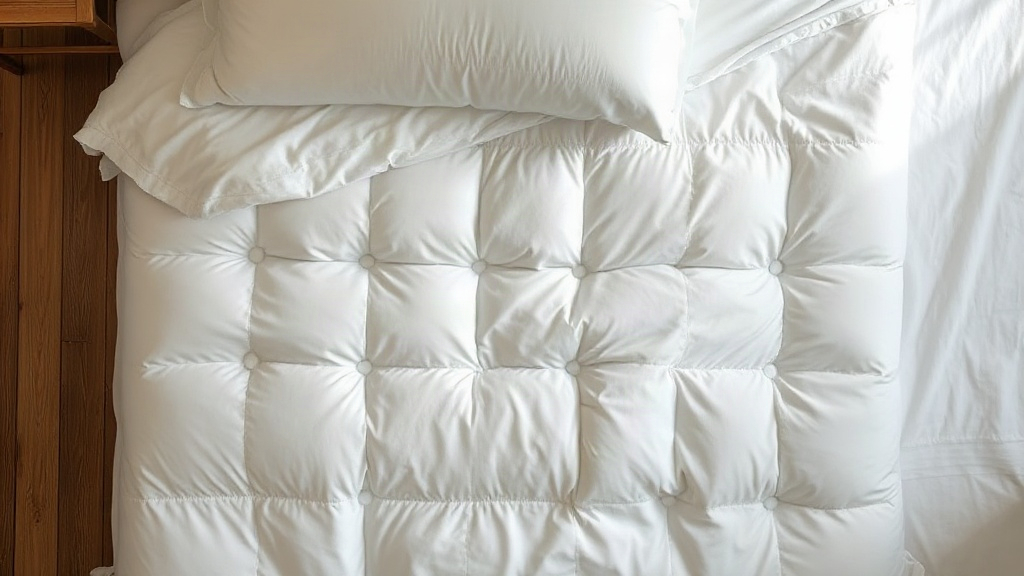
Lumpy duvets result from fill migration—a structural failure of the baffle stitching or compartments that separate fill pockets—not from washing mistakes. The right fix depends entirely on whether you’re dealing with this migration in feather duvets or fibre compression in synthetics.
The problem usually isn’t that your duvet is old or worn out. It’s either the construction or the drying technique—and both are fixable without spending a penny. Feather and down duvets suffer when internal stitching fails, allowing clusters to shift and clump. Synthetic fills flatten under body weight and moisture over time, creating dense patches.
Understanding the mechanism behind lumpy duvets
Think of a feather duvet like a packed suitcase versus a loose pile of clothes. When you zip everything in tight, it stays put. When you throw things in loosely, they shift. Quality feather or down duvets use baffle-box stitching—those square quilting sections—to create compartments that keep each cluster in its own space. When that stitching fails, or when the duvet gets tossed around in a wash cycle without anything to break the impact, the feathers find their way to one corner and clump together.
That’s fill migration, and it’s a structural problem rather than a wear problem. The feathers aren’t broken—they’re just in the wrong place.
Synthetic duvets work differently. Polyester wadding doesn’t migrate because it’s not loose fill—it’s bonded fibres packed together. What happens instead is compression. Under the weight of your body night after night, combined with moisture from your breath and the odd spill, the fibres flatten and lose their loft. The duvet becomes dense in some areas and thin in others, which feels lumpy even though nothing has actually moved.
The distinction matters because the fix is different for each type.
Clumped feathers can mat together if left unaddressed, and compressed polyester fibres may settle into their flat shape. Both become harder to restore over time.
Practical steps to restore your duvet
Start with a thorough shake: Take the duvet outside or to a large room and shake it vigorously from each corner. This breaks up loose clumps and redistributes filling before it mats together—it’s the most effective first step and costs nothing.
Smooth out remaining lumps by hand: After shaking, lay the duvet flat and work through any stubborn areas with your hands, moving from the outside of the lump toward the centre. You’ll feel the duvet soften as the filling spreads back evenly.
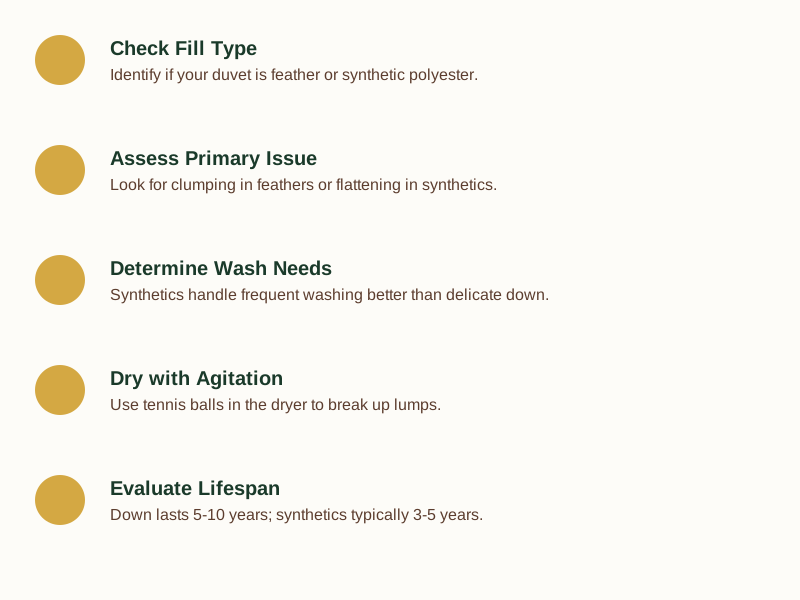
Use the tumble dryer correctly: A dryer can restore puffiness, but only with proper agitation. Drying a duvet alone on heat sets clumps in place. As bedding-care guides recommend, add two or three clean tennis balls or dryer balls to the drum—they knock the duvet about as it tumbles, physically breaking up clumps. Run on low heat until fully dry, checking halfway to hand-smooth any resistant areas.
If you’ve already dried your duvet without agitation and developed stubborn lumps, another cycle with tennis balls might help, though results may be less dramatic.
Key points to remember:
- Shake the duvet thoroughly before drying
- Use tennis balls or dryer balls in the drum
- Check and hand-smooth the duvet halfway through
- Avoid high heat settings that can damage filling
- Never skip the agitation step, even if the care label suggests it’s optional
Comparing duvet types and their tendencies
Feather and down duvets offer better structural integrity when well-made. The baffle-box construction genuinely keeps filling in place—it’s a design solution to migration. Down clusters trap air efficiently, providing better warmth for less weight. If a quality feather duvet goes lumpy, the issue is usually drying technique, not the duvet itself.
However, feather duvets are more delicate regarding washability. Repeated machine washing can compromise baffle stitching over time, and saturated filling that isn’t dried with proper agitation will clump. They’re also heavier when wet and take longer to dry.
Synthetic duvets, particularly polyester-filled ones, handle everyday use more forgivingly. Polyester resists clumping even after multiple washes, which explains why many owners report these duvets hold their shape better through repeated laundering. You can wash them more frequently without worrying about structural degradation. The trade-off is thermal distribution: polyester wadding compresses under body weight and moisture over time, potentially leaving thinner sections that don’t insulate well.
The honest call: if you have a quality feather duvet, it’s worth learning proper care techniques for the warmth and weight benefits. If you prefer something you can machine wash without much thought, a synthetic duvet is reasonable—just expect it to gradually flatten over several years.
This material difference persists across price points: polyester resists clumping regardless of cost, while feather and down require careful drying technique to avoid migration issues.
Get the Free Sleep Better Checklist to ensure the rest of your bedroom setup supports good sleep.
Recognising when replacement is needed
Sometimes restoration efforts fall short. Several signs indicate your duvet has reached the end of its useful life.
The duvet feels thin and limp even when fluffed. This typically means the filling—whether down clusters or polyester fibres—has compressed permanently. Shaking and drying might restore some loft temporarily, but if it flattens again quickly, the filling is structurally exhausted.
Lumps persist despite repeated restoration attempts. If the steps above don’t resolve the issue, or lumps return quickly, internal baffles may have failed or fibre bonding broken down irreparably.
Hygiene concerns emerge. Over years of use, duvets accumulate sweat, skin cells, dust mites, and body oils—even if not visible. As Good Housekeeping and other guides note, washing helps, but if an old duvet doesn’t freshen up after cleaning, it may host unwanted particles.
Most bedding guides recommend washing duvets every six to twelve months and replacing them every five to ten years depending on quality. If the tog rating still matches your room temperature but the duvet fails to hold warmth, that signals fill degradation rather than a temporary issue.
Common questions answered
Can I machine wash a feather duvet?
Most feather duvets can be machine washed—check the care label first. Larger duvets may need a commercial machine at a launderette. Use a gentle cycle with low spin speed. The critical part comes after washing: dry thoroughly on low heat with dryer balls to redistribute filling and prevent clumping.
How frequently should I wash my duvet?
Aim for every six to twelve months. Those with allergies or pets might wash more frequently—synthetic duvets handle this better. Regular washing controls dust mites and prevent body oil build-up that can make even structurally sound duvets feel flat.
Why does my duvet remain lumpy after washing?
This usually stems from drying technique rather than washing method. Air-drying without regular shaking and smoothing, or tumble-drying without agitation, allows filling to clump and set. Try proper drying with agitation; if that fails, internal structures may have degraded beyond repair.
Making the repair-or-replace decision
The core issue with a lumpy duvet is either fill migration or fibre compression—both fixable in most cases with correct drying technique. Feather duvets reward careful drying; synthetic ones are more forgiving but will eventually flatten.
If restoration fails, assess whether replacement is warranted. A flat duvet won’t keep you warm regardless of its tog rating—that’s its primary job.
If you’re uncertain whether your duvet sits on the repair or replace side of the threshold, our Bedding Troubleshooting: Why Your Bedding Goes Wrong guide provides broader context for your decision.
Once your duvet situation is sorted, ensure the rest of your bedroom supports quality sleep. Mattress condition, pillow quality, and even bed placement all affect rest—and most are easier to address than a lumpy duvet.
Get the Free Sleep Better Checklist to optimise your entire sleep environment.
Related reading
Sources & further information
Note: General guidance only, verify details with a qualified professional or official source.