How to Sleep Cool (Without Sweating in Your UK Bed)
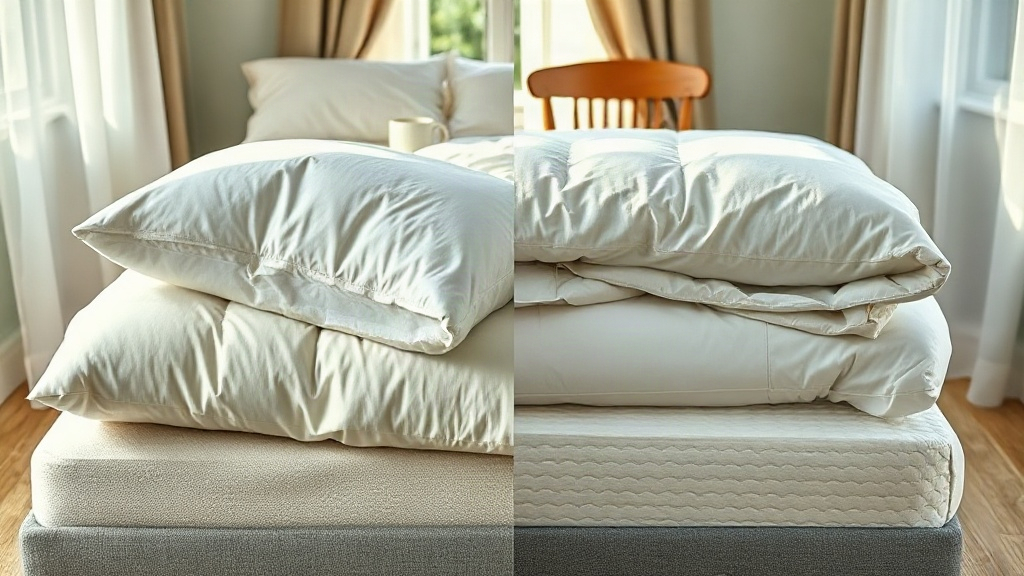
That same bed that leaves you shivering in December can have you sweating by May. The problem isn’t the bed itself, but the seasonal mismatch most people never address: your bedding setup needs to solve two different problems at opposite ends of the year. This guide separates the winter chill from the summer swelter.
Our peculiar UK relationship with sleep is shaped by the bedroom itself. We’re not dealing with dry heat or consistent air conditioning. We’re dealing with a damp, temperate climate and central heating that runs in short bursts—leaving bedrooms cooler and more humid than most sleep advice accounts for. No wonder bedding feels wrong half the time.
The frustrating thing is that most people assume they’ve bought the wrong duvet. They haven’t. They’ve got the wrong setup for a British bedroom—and understanding that distinction is where better sleep starts.
Here’s how to fix it.
When Your Bedding Feels Unbearably Heavy
UK air holds more moisture than many realise, and that dampness gets absorbed by your duvet and pillows, particularly in bedrooms that don’t get much airflow—which covers most rented flats, north-facing rooms, and ground-floor spaces. Once the filling is damp, it loses loft, goes heavy, and starts trapping heat against your body rather than letting it escape. You end up overheating while feeling cold at the same time, which sounds impossible until you’ve lived it.
Then there’s central heating. When the radiator kicks in, it dries the air rapidly, which causes some fillings to lose structure. Synthetic fills are particularly prone to this—they compact, go flat in patches, and stop distributing warmth evenly. Natural fills like wool cope better, but they’re pricier and harder to launder in a standard washing machine.
The result is bedding that feels heavy when you climb in, traps heat when you sleep, and leaves you waking up damp and uncomfortable. None of this is necessarily the duvet’s fault; it’s often the mismatch between the bedding and the environment.
Before you spend money on new bedding, ask yourself:
- Does the duvet feel noticeably heavier on damp mornings?
- Do you wake up sweaty even when the thermostat is turned down?
- Does the bedroom smell slightly musty, especially in winter?
- Have you noticed the filling going flat or lumpy in patches?
If you answered yes to two or more of those, the environment is doing more damage than the product. Fix the setup first—then decide if the bedding itself needs replacing.
So, what does fixing the setup actually look like?
Choosing the Right Tog for Temperature Control
Tog is one of those British measurements that baffles others but makes intuitive sense once you know the scale. Higher togs mean more insulation; lower togs mean less. The trick in the UK is that many people sleep under a duvet rated too high for what the room is actually doing overnight.
Often recommended for spring and autumn, when central heating is running inconsistently and bedroom temperatures fluctuate, is a 4.5 tog duvet. In summer, you genuinely don’t need much; a 2.5 tog or even a lightweight blanket works fine. In winter, a 9 tog or 10.5 tog makes sense, but only if your bedroom actually gets cold. If you’ve got the heating on at night, a 9 tog duvet is often the reason people wake up drenched in sweat.
The “summer duvet” approach is worth considering if you want one bed to work year-round. Use two lighter duvets—say a 4.5 and a 9—separately or combined depending on the season. You get a 13.5 tog equivalent in winter by layering them, and you can strip back to just the 4.5 in warmer months. It’s slightly more storage to manage, but it solves the problem without replacing your duvet every time the seasons shift.
The other variable nobody talks about enough is the bedroom temperature. The NHS recommends keeping your bedroom at around 18°C for optimal sleep. Many UK bedrooms in winter sit well below that when the heating’s off. That’s the scenario where a higher tog makes sense. But if you’ve got the heating running at night and your bedroom sits at 20°C, a 9 tog duvet is going to cook you.
Check your room with a thermometer for a couple of nights before you blame the duvet. The readings might surprise you.
| Season / Room Temp | Recommended Tog |
|---|---|
| Summer (heating off) | 2.5 – 4.5 |
| Spring/Autumn (inconsistent heating) | 4.5 |
| Winter with heating at night | 4.5 – 7.5 |
| Winter, cold room (no heating) | 9 – 10.5 |
Addressing Pillow Issues: From Flat to Fresh
Pillows take more abuse than almost any other piece of bedding, and in a damp UK bedroom they degrade faster than they should. The smell that builds up—that slightly stale, musty odour—isn’t a sign of cheap fabric. It’s usually moisture. Sweat, breath, and ambient dampness work their way into the filling, and if it’s not drying properly between uses, bacteria establish themselves and the smell follows.
Flattening has the same root cause half the time. People assume their pillow has just worn out, and sometimes that’s true. But in a room that doesn’t dry well, or where the pillow is stuffed into a pillowcase while still slightly damp from washing, the filling compresses faster than it should. It loses its bounce and stops supporting the neck properly—which is why flat pillows often come with morning neck ache.
The fix isn’t complicated, but it requires action. Wash your pillow roughly every six months, or more frequently if you sweat heavily at night or suffer from allergies. Most synthetic-filled pillows can go in the washing machine on a gentle cycle, but you need to be rigorous about drying. A pillow that’s still slightly damp going back on the bed will smell worse within a week. Run it through a second tumble dry cycle, or lay it flat in a warm room for 24 hours before putting it back in the pillowcase.
A pillow protector is worth the small extra cost. It’s easier to wash than the pillow itself, adds a barrier against sweat and oils, and extends the life of the pillow considerably. A pack of two protectors is an affordable sleep upgrade.
The common mistake is replacing pillows far too often because people don’t realise they can be washed. If your pillow is synthetic-filled and still structurally sound (no permanent lumps, still springy when you fold it), a proper wash will often restore it. Only replace when the filling is genuinely shot—compressed to the point where no amount of washing brings it back.
Mattress Toppers: A Strategic Layer
A mattress topper sits on your existing mattress and adds a layer of comfort—usually foam, fibre, or a combination. They’re effective at fixing certain problems and useless at fixing others, so knowing which category your issue falls into before you buy one saves you money and disappointment.
A topper works well when your mattress is fundamentally fine but too firm. Memory foam toppers in particular add a significant softness layer and are popular with people who find older innerspring mattresses unforgiving. They also help with minor unevenness; a mattress that’s developed slight dips over the years feels more consistent with a topper on top.
A topper does not fix a sagging mattress. If your mattress has visible dips where you sleep, or if you can feel the springs pressing through in specific spots, a topper will mask it briefly and then fail. Springs don’t care what’s on top of them; they’ll poke through eventually. At that point, replacing the mattress is the only real solution. Spending a significant amount on a topper to avoid the cost of a new mattress can be a false economy. You’ll likely end up buying both.
Signs it’s time to replace the mattress rather than add a topper:
- Visible sagging or body impressions deeper than about two inches
- Springs you can feel pressing through the fabric
- Waking up with back pain that wasn’t there before
- The mattress is more than eight to ten years old
Signs a topper will probably do the job:
- Your mattress is too firm but structurally sound
- You’ve recently moved into a rented flat where the existing mattress is functional but uncomfortable
- You want to extend the life of a decent mattress for another few years without committing to a full replacement
For renters, a topper is often the smarter move; you’re not committing to a new mattress for a property you might leave in twelve months, and a decent memory foam topper will make most serviceable mattresses comfortable.
Now you know what to look for—Get the Free Sleep Better Checklist to audit your current bedroom setup and see what actually needs changing.
Common Questions Answered
How often should I wash my duvet?
Aim for every six months or so, and more often if you have allergies or tend to sweat heavily at night. A duvet that isn’t being slept on directly doesn’t accumulate dirt the way a pillow does, but it does absorb body moisture over time. A quick air-out on a dry day—open the windows and drape it over the bed for an hour—helps more often than people realise.
Can I put a duvet in the washing machine?
Most synthetic duvets can go in a domestic machine, but check the care label first. The practical problem is that large duvets don’t fit well in standard machines; the drum needs room to agitate, and a duvet stuffed in too tightly won’t wash properly. If you’ve got a bulky king-size duvet, you may need a commercial machine at a launderette or a specialist cleaning service. It’s a bit of a faff, but worth doing once you notice it starting to smell.
Why does my duvet smell musty after washing?
It often wasn’t dry enough. Duvets can look dry on the surface but the filling is still holding moisture. Before you put your duvet back on the bed, check the filling by pressing firmly in the centre. If there’s any give or coolness, leave it to air for another 24 hours. A duvet that’s even slightly damp when you sleep under it will develop that musty smell within days, and the only fix is washing it again.
Stop blaming the bedding and start looking at the bedroom environment. UK bedrooms are cooler, damper, and more thermally variable than most sleep advice acknowledges—and until you account for that, no duvet or pillow is going to feel quite right.
Checking your room temperature with a basic thermometer costs little. Airing your bedding more regularly is free. Washing what can be washed, and drying it properly when you do, extends the life of your existing setup. If the mattress is shot, replace it; if it’s just firm, a decent topper is a fraction of the cost and will sort you out in an evening.
Imagine waking up and not feeling sticky. Not reaching for the thermostat and not dreading the cold. It’s genuinely achievable—it just requires fixing the right thing.
Choose your next step based on your main symptom: waking hot, waking cold, or duvet sliding.
- Duvet Too Hot at Night? Here’s What to Do
- Duvet Too Cold at Night? How to Stay Warm
- How to Stop Your Duvet from Slipping Off the Bed
Get the Free Sleep Better Checklist to see what your current setup actually needs, starting with the bedroom environment before you spend a penny on new bedding.
Sources & Further Reading
Note: General guidance only, verify details with a qualified professional or official source.