How to Clean a Mattress Topper (Without Ruining It)
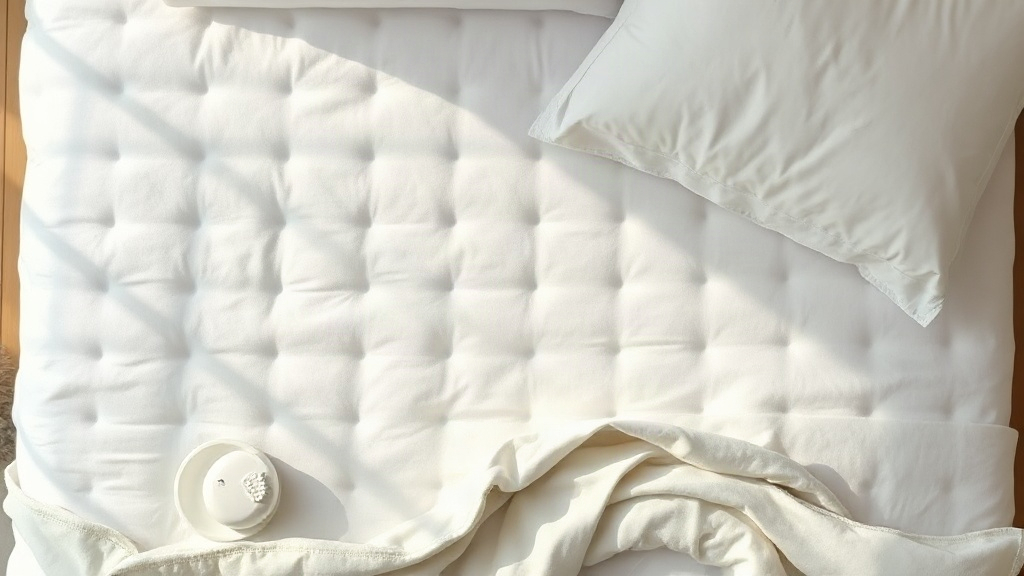
Cleaning your mattress topper begins with its care label. The label tells you what the fill is and dictates your cleaning path: machine wash, hand wash, or spot clean only. Ignoring that instruction to follow generic stain‑removal advice is how a quick clean turns into a ruined topper.
Many toppers don’t survive a full machine wash. A typical UK washing machine holds between 7 and 9 kg dry, according to retailer guides like Currys. Once waterlogged, a bulky topper can struggle to move in a domestic drum, leading to poor cleaning and uneven drying. The result is often a lumpy, damp, or mouldy topper—an expensive mistake that starts with not reading the label.
This guide explains the three cleaning routes. The right one depends entirely on what your topper is made of and what its label says. Get it wrong and you risk damaging the fill, voiding the warranty, and shortening its life.
Start with the Care Label
Locate the small tag stitched inside the cover or printed on a seam. This is the manufacturer’s instruction for your specific model, and it overrides any general advice.
Toppers generally fall into three care categories:
- Spot clean only. This is common for wool and natural‑fill toppers. Machine washing can felt wool or break down delicate structures.
- Removable cover washable. The cover unzips for the machine; the core stays dry. This is typical for many memory foam and synthetic toppers.
- Machine washable. Less common, usually for low‑fill synthetics with a dense build. Even then, strict limits on temperature and drying apply.
The label may also specify temperature limits or drying methods. Some manufacturers state that ignoring these instructions voids the warranty. Checking first protects your investment.
How to Spot‑Clean a Topper
For most toppers, especially those labelled for spot cleaning, this is the primary method. It targets stains without soaking the fill, avoiding the moisture‑trapping problems of a full wash.
The process is straightforward but requires patience. You’ll need a clean microfiber cloth, warm water, and a teaspoon of mild detergent. Mix the detergent into the water, dip and wring the cloth until it’s just damp, then blot the stain—don’t scrub. Scrubbing drives dirt deeper. Follow with a rinse using a second damp cloth to remove soap residue.
Drying is crucial. Allow the treated area to air dry completely. Using a fan or placing the topper in a well‑ventilated room speeds this up. Any leftover moisture inside the fill can lead to mildew.
This approach works well for surface spills, sweat marks, or urine. It won’t remove deep‑seated odours from years of use, but it significantly extends a topper’s life with minimal risk.
Washing a Removable Cover
If your topper has a zip‑off cover, this is your route to a deeper clean without touching the core.
Before washing, detach any zip pulls or secure the zip with a safety pin to prevent snagging. Use a gentle, cold‑water cycle and avoid fabric softener, which can coat fibres and reduce breathability.
Never tumble dry the cover. The heat can shrink fabric or warp seams. Instead, line dry it or lay it flat in a well‑ventilated room. An airing cupboard works in summer; in winter, a room with a radiator (but not directly on it) helps.
Washing the cover removes accumulated sweat and skin cells that work through your bedding. Doing this every few months keeps the topper feeling fresh without ever risking the fill.
When Machine Washing Is Possible
Only attempt a machine wash if the care label explicitly states it is safe. It’s rarely the best option.
Domestic machines often lack the capacity to handle a water‑logged topper properly. The drum can’t move it freely, leading to uneven detergent distribution and poor water extraction. The result is a topper that’s saturated inside and only superficially clean.
If you must proceed, use the largest machine available (8 kg capacity or more). Add a couple of clean bath towels to balance the load and reduce agitation. Choose a gentle, cold‑water cycle, skip the softener and extra spins, and never use a tumble dryer. Lay the topper flat to dry and be prepared to wait several days.
Repeated machine washes break down the fill faster. Even if a topper survives one wash, frequent cycles compress the material, making it flat and lumpy. Machine wash only as a last resort, and be ready to replace the topper sooner.
Choosing Your Cleaning Method
| Method | Best For | Key Steps | Drying Method |
|---|---|---|---|
| Spot Clean | Wool, Natural Fill, Surface Stains | Damp cloth, mild detergent, blotting | Air dry, use a fan |
| Removable Cover | Memory Foam, Synthetic (with zip) | Zip off, cold gentle wash, no softener | Line dry or flat dry |
| Machine Wash | Low‑fill Synthetic (Label Only) | Large machine, cold cycle, balanced load | Lay flat, no tumble |
Common Questions About Topper Care
Can I tumble dry a mattress topper?
No. The heat can shrink wool, deform memory foam, and damage synthetic fills. Air drying is the only safe method for most toppers. Use a fan in a well‑ventilated room if you need to speed it up.
How often should I clean my topper?
Wash a removable cover every three to six months. Spot‑clean the topper itself as stains occur. A full deep clean of the core is only needed after a significant spill or if it’s been stored damp. Over‑washing shortens the topper’s life.
Does washing kill bed bugs?
Household washing temperatures won’t kill bed bugs. Eliminating them requires washing at 60°C or above followed by high‑heat drying for at least 30 minutes, as pest‑control guidance confirms. Most toppers cannot withstand this heat. For a bed bug issue, seek professional treatment and use a protective, washable cover.
Keeping Your Topper in Good Shape
The safest cleaning method is the one your topper’s label permits. Use spot‑cleaning for maintenance, wash the removable cover for deeper freshness, and reserve machine washing for rare, label‑approved cases. This approach preserves comfort and support for years.
When cleaning is no longer enough to restore your topper’s comfort or hygiene, the next step is understanding your replacement options. Our detailed guide covers the signs it’s time for a new topper and how to choose one.
Bedding Care: Washing, Drying & Replacement Guide.
Get a Structured Plan for Your Bedroom
For a step‑by‑step approach to your whole sleep setup—mattress, pillows, and environment—download our free checklist.
Get the Free Sleep Better Checklist.
Sources & Further Reading
Note: General guidance only. Always verify specific care instructions with the manufacturer of your mattress topper.