Best Mattress Topper for an Old Mattress: UK Renovation Guide
As an Amazon Associate we earn from qualifying purchases. This page contains affiliate links — if you buy through them, we earn a small commission at no extra cost to you.
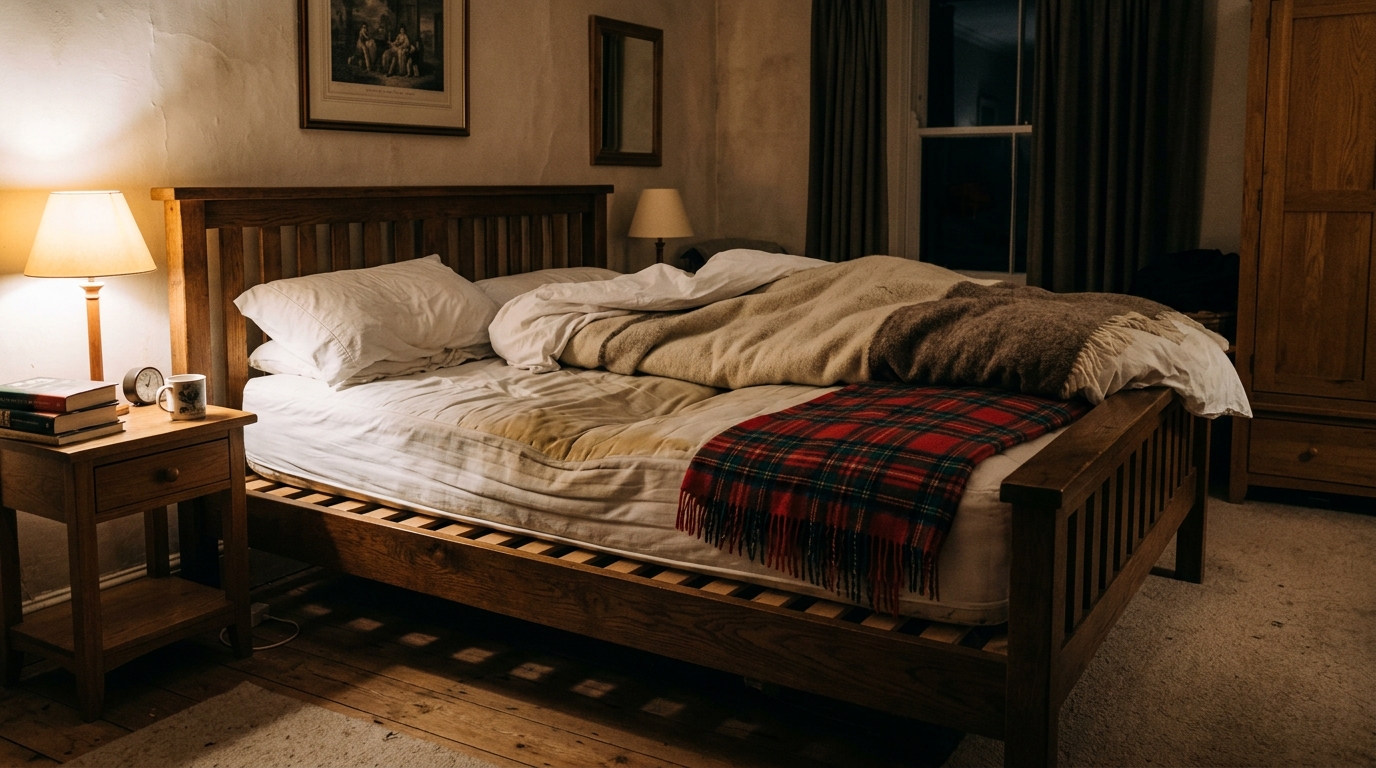
You’ve been waking up with a sore back, the dip in the middle of the bed feels like a pothole, and the landlord’s “it’s just an old mattress” line does your nerves no favours. You don’t need to spend hundreds on a brand‑new mattress just yet. A well‑chosen topper can give a sagging, heat‑trapped old bed a few extra years of decent sleep, provided you match the material to the exact problem you are trying to fix.
Diagnosing Your Old Mattress: Spring vs. Foam
First things first – you need to know what you’re dealing with. Old mattresses fall into two broad camps, and each needs a different kind of support.
The Spring Rule – If the mattress is built on pocket springs (most budget beds and many mid‑range models), the springs will start to lose tension after a few years. The result is that the centre of the bed collapses under your hips, leaving a hollow that a soft topper will simply accentuate. What you need is a firm, supportive layer that props the springs back up – think pocket‑spring or latex toppers that add “lift”.
The Foam Rule – Pure foam beds (memory or high‑resilience foam) tend to develop lumps and surface irregularities as the material compresses unevenly. Here a contouring topper that moulds to your body can hide those bumps and restore a smooth sleeping surface.
A quick checklist can save you a lot of guesswork:
- Give it a tap: A metallic clunk usually means springs, a muffled thud points to foam.
- Check the edge: Springs often show a faint “click” when you press the side, foam stays silent.
- Look for a label: Most UK mattresses list “pocket springs” or “HR foam” on the tag.
A cheap memory-foam topper on a 12-year-old sprung bed, bought because it was on sale, is a classic trap. Within a week the hips can sink so low it feels like sleeping in a hammock — the topper has just magnified the sag. That’s the classic mistake a soft topper makes.
The Best Mattress Toppers for Old Mattresses (UK)
Below is the shortlist we’ve compiled from real-world feedback and UK retailer data. Each one is matched to a specific mattress problem, so you can pick the right tool for the job without throwing money at every option.
1. Best Overall – Silentnight Airmax 1000
Why it works: The Airmax 1000 is a 10‑cm pocket‑spring topper with 1,000 individual springs that sit on top of your existing springs, giving a “spring‑in‑spring” effect. The result is a firm, supportive surface that stops the centre from bottoming out while still allowing a bit of give for comfort.
Key points:
- Breathable 3‑D mesh cover that stays cool – a lifesaver in a London flat where the radiator is always on.
- Zip‑off washable cover makes cleaning a breeze, which is worth having when you’re dealing with an older, possibly stained mattress.
- Priced at roughly £120‑£150 for a standard double, it’s the best value choice that doesn’t skimp on structural support.
2. Best for Heat Retention – Emma Comfort
Why it works: Older foam mattresses love to trap heat, especially with central heating on all night. Emma’s gel‑infused memory foam topper adds a cooling layer that dissipates warmth without sacrificing the pressure‑relief you need for a sore back. The Sleep Charity recommends keeping your bedroom around 16-18°C, which is near impossible in some modern builds, making cooling materials a massive help.
Key points:
- 8 cm thick with a blend of gel‑infused foam and a softer comfort layer, it balances warmth and contouring.
- 200‑night trial (you can return it if it doesn’t cool your night down).
- At around £130 for a double, it’s a bit pricier than the Silentnight but worth it if you’ve been waking up feeling like you’ve slept in a sauna.
3. Best for Sagging Springs – Simba Hybrid
Why it works: The top layer is Talalay latex, which is naturally bouncy and provides that “lift” you need to counteract sagging springs. Underneath sits a thin memory‑foam layer that adds pressure relief without turning the whole thing into a pillow‑top.
Key points:
- Holds its shape for over a year – many cheaper toppers flatten after six months, but users report the Simba staying resilient for at least 12 months.
- Durable stitching and a removable, zip‑off cover that can be machine‑washed.
- Cost sits at roughly £180‑£200 for a standard double, so it’s not cheap, but not a con either if you need that extra bounce.
4. Best Budget Alternative – Basic Foam Layer
Why it works: When the old mattress is beyond saving, a basic budget foam layer will at least smooth out the worst lumps. It won’t add structural support, but it does give a softer sleep surface for a fraction of the price.
Key points:
- 7 cm thick synthetic fibre foam, easy to roll and store in a loft or cupboard.
- Priced at about £30‑£40, it’s the best value choice for those who can’t stretch beyond £50.
- Lacks the cooling gel or latex bounce of the pricier options, but it’s a solid entry‑level upgrade if you’re skint.
All of these come in the standard UK sizes – 3ft 6in (single), 4ft 6in (double), 5ft 0in (king) and 6ft 0in (super‑king) – and most retailers ship within 2‑3 days to London flats or Leeds terraced houses.
What Should You Look for in a Mattress Topper for an Old Bed?
You should look for a topper that is 7 to 10 cm thick, made of a supportive material like pocket springs or dense latex for a sagging bed, or cooling gel foam for a lumpy, hot mattress. If your old mattress has a dip in the middle because the springs have failed, a soft memory foam topper will just sink into the hollow and make your back pain worse. In that scenario, you need a firm pocket-sprung topper to physically bridge the gap. Conversely, if you are sleeping on an old, solid foam mattress that traps heat and feels lumpy, a breathable gel-infused foam topper will smooth out the surface and keep you cool. Ultimately, anything thinner than 7 cm won’t provide enough structure to compensate for a damaged bed, and anything thicker makes the bed unstable.
Thickness – 7‑10 cm is the sweet spot
Anything thinner won’t compensate for the dip, and anything thicker can make the bed feel unstable, especially on narrow Victorian staircases where the mattress already sits on a low‑profile frame.
Material – pick the right one for the job
- Pocket‑spring toppers: Best for sagging springs; they add structural support without turning the whole bed into a soft mush.
- Memory foam: Great for pressure relief on foam mattresses, but watch the heat‑retention if your flat is already warm.
- Gel‑infused foam: Adds a cooling element, useful for older foam beds that get hot after the central heating kicks in.
- Latex: Offers a bounce that counteracts sagging springs and is naturally breathable, though it carries a higher price tag.
UK Storage Considerations
If you move flats (common in student or renter life), you’ll need a topper that can be rolled up and stored in a cupboard or loft. The Silentnight and IKEA models roll nicely; the Simba Hybrid is bulkier because of the latex layer, so plan a bit of extra loft clearance.
Topper vs. New Mattress – a quick comparison
| Feature | Mattress Topper | New Mattress |
|---|---|---|
| Cost | £30‑£200 (depends on material) | £200‑£1,000+ |
| Installation | Roll out, unzip cover – a few minutes | Requires flipping, possible frame adjustment |
| Lifespan on old bed | 6‑12 months (if mattress is >10 yrs) | 3‑5 years (new) |
| Effect on sag | Can lift a sagging spring if firm | Replaces sagging springs entirely |
The National Bed Federation generally suggests replacing a mattress every seven years, so if yours is pushing a decade, a topper is strictly a temporary bridge, not a permanent fix.
If you’re still on the fence, now is a good moment to grab the Free Sleep Better Checklist – it walks you through the exact specs you need for your bedroom size, heating situation, and budget.
How to Fit a Mattress Topper so it Actually Stays Put
Old mattresses often have worn, slippery covers, which means your new topper might try to slide off the edge by Tuesday morning. Here is how to lock it down.
1. Strip and inspect the bed
Take everything off down to the bare mattress. Vacuum the surface to remove dust and check for any broken springs poking through that might tear your new topper.
2. Position the anti-slip base
Roll the topper out and ensure the textured, anti-slip side is facing down. Give it a few hours to expand if it arrived vacuum-packed, as it won’t grip properly while still compressed.
3. Anchor with the corner straps
Most decent toppers come with elasticated corner straps. Hook these deep under the corners of your old mattress. If your mattress is particularly deep, you might need to stretch them carefully to avoid snapping the stitching.
4. Use a deep-fitted sheet
A standard fitted sheet will pop off once you add 7-10 cm of extra height. Buy a ‘deep’ or ’extra-deep’ fitted sheet (usually 30-40 cm) to encompass both the topper and the mattress, creating a tight belt and braces hold.
Frequently Asked Questions
Will a mattress topper fix a sagging mattress?
Yes, but only if you choose a firm, supportive topper. Pocket‑spring or latex options are the only ones that actually prop up sagging springs. A soft foam topper will just sink into the dip and make your back pain worse.
How long does a mattress topper last on an old mattress?
A topper usually lasts 6 to 12 months on a very old, sagging mattress. While a topper can easily last three to five years on a flat, new bed, the uneven surface of an old mattress forces the topper to bend and degrade much faster.
Can I put a topper on a mattress that has bed‑bugs?
No. Putting a topper over bed bugs will not protect you, it just gives them another place to hide and makes treatment much harder. You must completely eradicate the infestation before adding any new bedding.
Can my landlord refuse to replace a terrible mattress?
Landlords must provide furniture that is safe and fit for purpose, but a mattress being simply uncomfortable is a grey area. If you can feel the springs poking through, you have a better case to ask for a replacement. If you’re struggling with a stubborn letting agent, check the blog for more advice on dealing with rental sleep setups.
What to Do Now
A topper isn’t a magic cure‑all, but it’s a solid budget renovation that can add three to five years of decent sleep to a mattress that’s already seen better days. If your bed is over ten years old and you’re constantly waking up sore, think of the topper as a bridge – it buys you time while you save for a proper replacement.
Remember the three rules:
- Match material to mattress type – firm spring toppers for sagging springs, contouring foam for foam beds.
- Mind the thickness – 7‑10 cm gives you support without toppling the bed.
- Check the cover and warranty – a zip‑off, washable cover and at least a 12‑month guarantee are worth the investment.
If you’ve followed the guide and feel ready to pick a topper, grab the Free Sleep Better Checklist to double‑check your measurements, budget, and material preferences before you click “add to basket”.
Sleep’s too precious to keep tossing and turning on a mattress that’s gone to pot. With the right topper, you’ll be waking up feeling sorted and ready to face another London rush hour. If you’ve got a specific mattress nightmare you’re trying to solve, feel free to reach out via the contact page .
Related Guides
For a complete overview, see our Best Mattress for Side Sleepers UK .
Further Reading
As an Amazon Associate we earn from qualifying purchases. The products linked above are ones we recommend based on independent research and owner feedback.
Note: General guidance only. Verify current details with a qualified professional or official source.