Why Your Bedding Goes Wrong (Yellowing, Lumping & More)
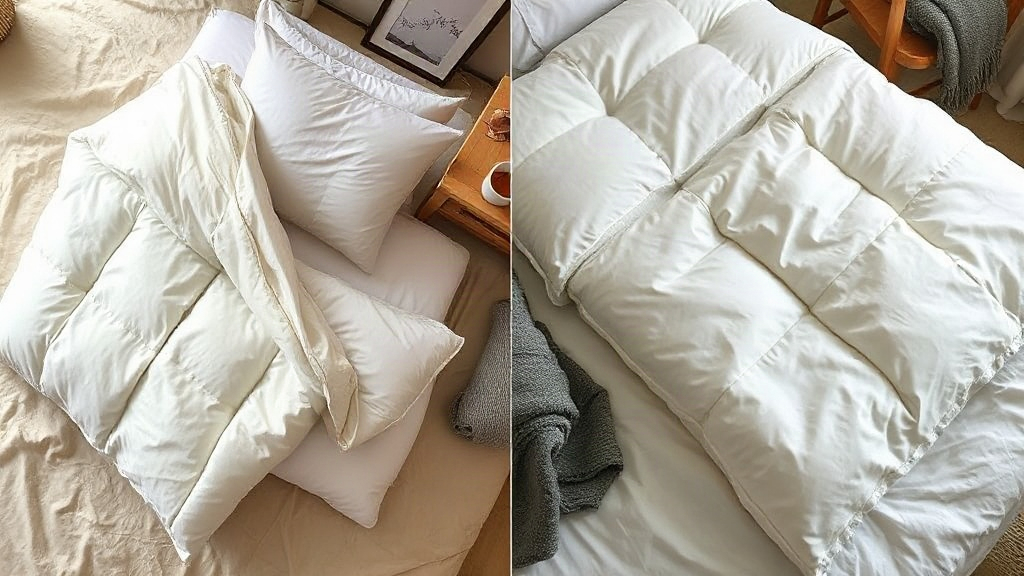
Bedding typically fails in one of four distinct ways: yellowing, lumping, persistent dampness, and bead loss. Each has a different underlying cause and therefore requires a specific fix.
What links these problems is moisture management. Understanding which failure mode you’re dealing with is the first step toward a solution that actually works.
Why Moisture is the Common Enemy
Most bedding failures share moisture as their root cause. It’s not surface dirt in the conventional sense, but the combination of body oils and humidity that creates a damaging environment inside your bedding.
Here’s the mechanism at work. Every night, your body releases moisture through sweat and respiration. Even in a cool room, you perspire slightly, and this accumulates over hours. The moisture gets absorbed into pillow fillings, duvet casings, and mattress toppers. Simultaneously, body oils from skin and hair coat the fibres.
The critical stage comes next. Trapped moisture creates a micro-environment where natural oils oxidise. Those yellow patches on pillowcases and duvets aren’t simple stains—they’re evidence of chemical changes in the fibres themselves, accelerated by body warmth and humidity trapped under the covers.
UK homes often struggle with humidity levels. Indoor humidity frequently sits between 40% and 60% relative humidity, particularly in older properties with limited ventilation or rented flats where window access is restricted. During winter, when heating runs constantly and windows stay shut, humidity gets trapped indoors. Your bedding becomes a sponge that never fully dries out.
Breaking this cycle requires more than just frequent washing. It’s about proper drying and regular airing. Manufacturers who promise stain-resistant products know that once the moisture-and-oil cycle begins, the only real solution is interrupting it.
A simple habit with significant impact: Hanging your duvet over a chair or railing during the day allows air to circulate through the filling. Even an hour of ventilation helps moisture escape more effectively. Make this a daily practice in warmer months, and do it as often as possible during winter.
When Yellowing Appears
Yellowing is the most frequent complaint, following a predictable pattern. It starts around the head area on pillows, then spreads to the chest region on duvets—the areas that retain the most warmth and moisture overnight. The staining is most noticeable on white bedding, which explains why people often spot it first on new white pillowcases.
The cause is oxidation of trapped body oils. Many are surprised to learn that a duvet can look perfectly clean on the surface while retaining enough moisture and oil underneath to cause yellowing. That’s why regular washing is advised—not because the duvet appears dirty, but because the damage occurs invisibly until it’s too late.
Lumping involves a different mechanism, though moisture contributes. When filling—whether hollowfibre, microfibre, or natural—repeatedly absorbs moisture without proper drying, the fibres begin to clump. The casing can also weaken from constant damp-warm cycles, allowing filling to shift and gather in one area. This is particularly common in duvets washed then dried on low heat settings, or in overloaded tumble dryers.
Sleeping hot accelerates the process. If you regularly kick the duvet off and on throughout the night, you’re increasing sweat production. More moisture means more oil trapping, which speeds up the cycle. A duvet that might last five years under normal conditions could show yellowing and lumping after eighteen months if overheating is part of your routine.
The practical approach: wash your duvet cover every one to two weeks, and the duvet itself every few months. The sniff test isn’t always reliable—a duvet can smell fine while harbouring the moisture-and-oil combination that causes degradation. When uncertain, wash it.
For detailed instructions on cleaning your duvet properly, including specific settings and what to avoid, our duvet guide covers the essentials.
Caring for Pillows and Mattress Toppers
Pillows tend to fail faster than other bedding because they absorb the most oil. Your face and hair press against them nightly, and facial oils are particularly effective at breaking down pillow fibres. An unwashed pillow will flatten surprisingly quickly—the filling compresses under head weight, and trapped moisture degrades the loft over time.
A common mistake is relying solely on a pillowcase for protection. Two fabric layers between your head and the pillow fill make little difference to moisture penetration over months of use. Washing the pillow itself matters more—many synthetic pillows can handle a gentle machine cycle, and doing this several times a year helps maintain them.
Mattress toppers are often the most neglected bedding item. A topper sits directly on your mattress, absorbing body heat and moisture from your entire body. Unlike a duvet, which you can easily shake out and air, a mattress topper usually stays trapped between the mattress and fitted sheet. Moisture gets in and has nowhere to go.
Many topper owners report a slightly damp or heavy feel after six months to a year, even without spills. This is the moisture cycle in action. The solution is simple in theory—strip the bed, remove the topper, let it air thoroughly for a day, then replace it—but in practice, it’s a task many never get around to.
Airing your mattress topper weekly and washing it every few months, depending on use, helps prevent this. If you live in a cool, damp flat during winter, lean toward more frequent maintenance.
For those seeking pillows that maintain their shape over time, our guide to the best pillows available in the UK covers the main types and what to expect regarding longevity.
Special Considerations for Weighted Blankets
Weighted blankets function differently from standard bedding, and their failure modes differ accordingly. The filling isn’t fibre—it’s usually glass beads or plastic pellets distributed in pockets throughout the blanket. The most common complaints involve leaking through seams and bead loss during washing.
Here’s what’s actually happening with these failures. The outer casing on most weighted blankets is a relatively lightweight fabric, often a cotton-polyester blend. Repeated machine washing, especially on standard cycles with significant agitation, stresses the seams. Over time, the stitching weakens, and moisture absorbed by the fabric exacerbates the problem—wet fabric suffers more stress damage than dry fabric.
The beads themselves rarely fail. What owners describe as “bead loss” is almost always a casing failure first. Seams weaken to the point where stitching gives way under agitation, allowing beads to escape. Machine washing frequently triggers this issue.
The practical advice is to spot clean your weighted blanket or, if a full wash is necessary, use a gentle cold cycle with minimal agitation and avoid overloading the machine. Some owners use a large laundry bag designed for delicates, which reduces agitation and significantly extends the casing’s life.
Using a duvet cover over your weighted blanket offers the best long-term protection. It keeps body oils and moisture away from the weighted filling, reduces washing frequency, and means the blanket itself only needs occasional cleaning rather than regular machine cycles.
For more on selecting a weighted blanket that holds up well, including what to look for in casing quality, our guide to the best weighted blankets in the UK provides further detail.
Common Questions Answered
How often should I wash my duvet in the UK?
Aim to wash the cover every one to two weeks and the duvet itself every few months. In the UK, where indoor humidity often runs high, leaning toward more frequent washing helps break the moisture cycle before it causes yellowing or fibre damage.
Why is my white bedding turning yellow?
Yellowing usually results from body oils and sweat trapped in the fabric, which oxidise over time. This occurs even when bedding looks clean on the surface—the damage starts beneath the fabric layer. It’s more visible on white bedding but affects all colours. Regular washing and thorough drying are key preventive measures.
Can I put my weighted blanket in the washing machine?
Check the care label and consider the blanket’s construction. If machine washing is allowed, use a gentle cold cycle with minimal agitation and don’t overcrowd the machine. Many owners prefer spot cleaning or using a duvet cover to reduce full washes, which extends the blanket’s lifespan considerably.
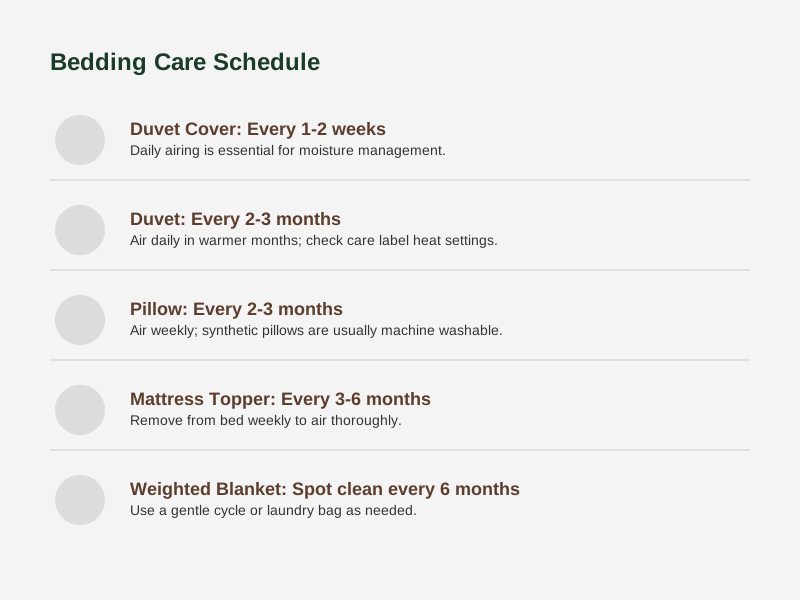
For effective maintenance, it is recommended to wash a duvet cover every one to two weeks and air it daily in warmer months. The duvet itself should be washed every few months and aired daily when possible. Pillows benefit from being washed several times a year and aired weekly. A mattress topper should be washed every three to six months and aired weekly by removing it from the bed. For weighted blankets, spot cleaning or washing every six months on a gentle cycle is advised.
Where to Find Detailed Solutions
The reality is that most bedding failures stem from maintenance issues rather than product defects, and they’re often fixable without replacement costs. The moisture-and-oil cycle connects yellowing, lumping, flattening, and bead loss. Break that cycle with regular washing, proper drying, and daily airing, and your bedding will last considerably longer than many people anticipate.
Small adjustments make a bigger difference than most realise. Airing your duvet for an hour each morning, washing the cover more frequently than seems necessary, and ensuring your mattress topper isn’t perpetually damp—these practices separate bedding that stays comfortable for years from bedding that quickly deteriorates.
If you’re ready to establish a proper routine that covers all your bedding and improves your sleep quality, we’ve created a Free Sleep Better Checklist that outlines the practical steps. It’s a straightforward download—no fuss, just actionable advice.
Specific Problem? Here’s Your Starting Point
If your problem is yellowing, the full diagnosis is in our guide: Why Does My Duvet Go Yellow? Causes and Solutions
For lumpy bedding, start with: Why Does My Duvet Get Lumpy? What to Do
If dampness is the issue, read: Why Does My Duvet Feel Damp? How to Fix It
For bead loss in weighted blankets, see: Why Does My Weighted Blanket Lose Beads? Causes and Fixes
Sources & Further Reading
Note: General guidance only, verify details with a qualified professional or official source.